- January 06, 2026
Introduction
On the surface of asphalt, the appearance of cracks reveals that the pavement needs to be repaired. The process of crack repair is not for mere maintenance but a preventive measure to ensure that no water gets into the base layer. It secures your property against costly damage in the future. This is why it is of great essence to learn the correct process of repair as early as possible for preventive asphalt maintenance.
Why do Asphalt Cracks Form?
The knowledge of the causes of cracks helps the owners of the property to choose the most appropriate repair process and ensure that minor surface cracks do not develop into expensive structural failures.
Oxidation
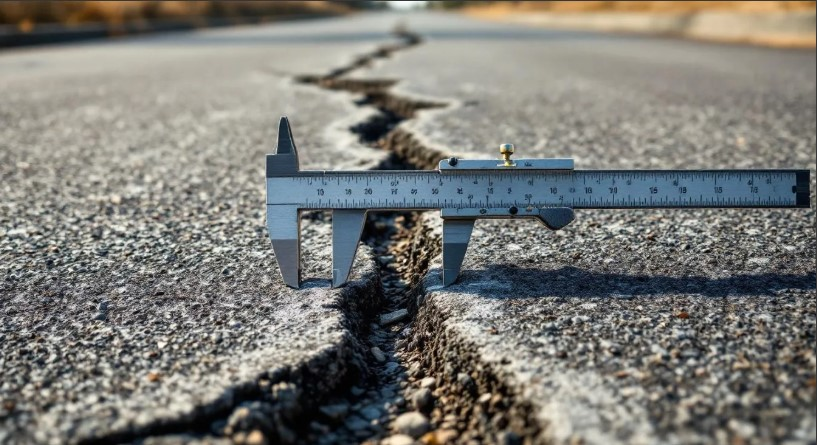
Oxidation is one of the primary causes of cracks in asphalt, which is a natural process of aging under the influence of the sunshine and air. The UV rays make the asphalt binder hard and non-elastic. As the pavement is no longer able to bend under pressure, it begins to crack, and this is what leads to the hairline cracks. This is often the initial sign that the oils that are protecting the pavement are wearing out.
Water penetration
The moisture gets into microscopic cavities, and the layers below are weakened. The freeze-thaw cycles experienced in colder climates enlarge confined water into ice and exert a lot of strain on the pavement. All the cycles create cracks in the existing ones, which lead to deeper cracks that cannot be resolved by using surface treatments alone.
Heavy Traffic
The other cause of slow destruction of asphalt is heavy traffic in North Georgia. Frequent weight is stressed on commercial parking spaces, delivery areas, and driveways with heavier cars.
Drainage
The drainage is also insufficient, leading to the creation of cracks. Slow-moving or standing water softens the pavement and cleans small particles on the bottom. This loosens the structure with time, exposing the surface to damage.
Improper Installation
Lastly, instability under pavement is due to failed installation (i.e., lack of compaction or a poor sub-base). Even new asphalt could crack prematurely in case the base cannot sustain the pressure of the surface.
Types of Asphalt Cracks
Asphalt decays slowly, and it becomes marked at the first stage with microscopic traces left on the surface. Knowing these types of cracks will enable you to determine which is better in the long term, crack sealing or crack filling.
Shallow Surface Hairline Cracks
The initial signs of pavement deterioration include surface-level cracks. They are produced primarily by the action of the UV and the drying out of the asphalt binder. The most suitable solution that would be cost-effective for cracks that are not moving much is crack filling.
Longitudinal Cracks and Transverse Cracks
Cracks develop longitudinally and transversely, extending parallel or at right angles to the centerline of the pavement. These cracks often stretch and contract with the change of temperature, thus being categorized as active or moving cracks. This is because these cracks are active, and the best option, therefore, is to close the cracks. Rubberized sealant can move with the seasons and thus keep the water out.
Alligator Cracks
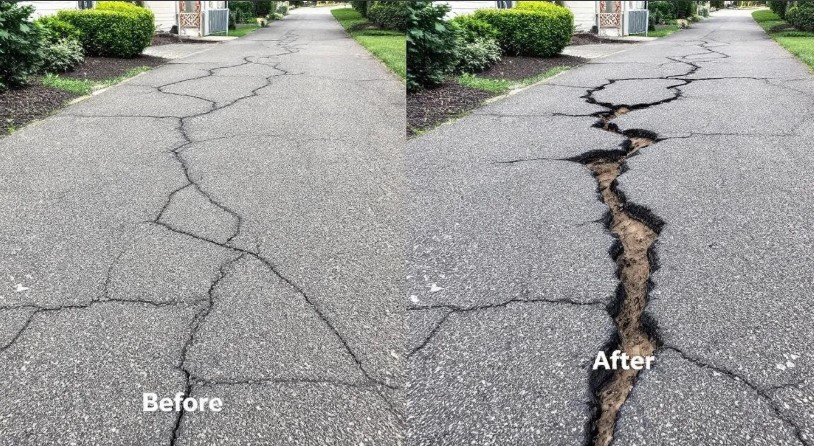
Alligator cracking is a special problem. It is found as a structure of tiny connected cracks that have the appearance of reptile skin. This trend means that there is a problem with the base or the sub-base layer's structure. Neither stuffing nor sealing works in this case. Depending on the severity, the affected section may need to be removed, patched, or resurfaced.
Edge and Block Cracks
The edge and block cracks are normally found in geometric patterns on old pavement. Failure of drainage or weaker pavement margins would result in edge cracks, but block cracks would develop with the age of the pavement, which becomes brittle. Since such cracks can have minimal seasonal motion, crack sealing can be more beneficial; non-moving block cracks that are stable can also be effectively sealed.
Wondering when to repair your asphalt driveway? Learn which types of damage require prompt attention to extend your pavement's lifespan.
Asphalt Crack Sealing
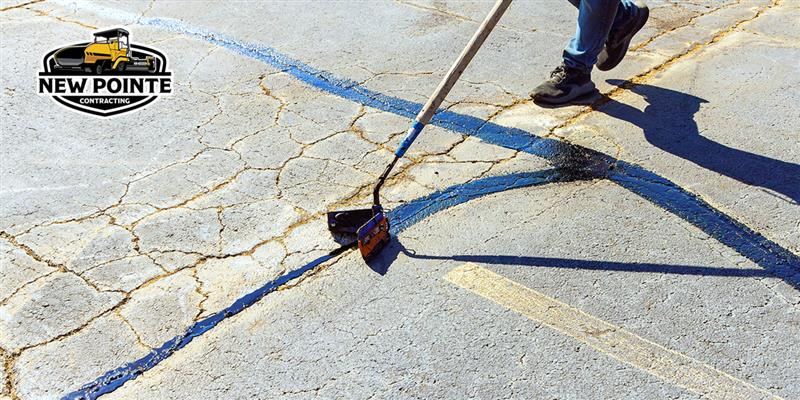
Asphalt crack sealing is considered the most effective restoration method to be used on dynamic cracked pavements. It uses rubberized, highly elastic sealants, which are heated and directly applied to the fracture that is cleaned, and this creates a flexible barrier that is able to stretch, compress, and readjust to changes in the environment. These specialty sealants are very unlike the traditional fillers in that the pavement base is introduced into a protective coating that is waterproof and resistant to debris.
The ability to contract and grow according to temperature changes is the real power of crack sealing. Asphalt is a natural product that hardens during winter, gets soft during summer, and responds to every freeze-thaw cycle. Conventional fillers may become hard with time and thus fracture or detach themselves from the crack walls. On the other hand, rubberized sealants do not lose their flexibility. When it is hot in summer, they expand; when winter puts the squeeze of the pavement, they compress; and when under the influence of thousands of micro-movements, they retain their adhesion.
5. Asphalt Crack Filling
Asphalt crack filling is an easy repair process that is employed to repair cracks that do not exhibit excessive horizontal or vertical movement. Such cracks are often caused by the aging of the surface or oxidation, or a slight contraction of the asphalt. Their failure to expand or contract significantly with temperature changes.
Crack filling uses non-flexible filling or semi-solid filler materials, asphalt-based filler materials, cold-applied patching mixtures, or emulsions. These fillers are not as flexible as rubberized sealants that are used in closing cracks. They are also effective in sealing the cracked area to ensure that dirt, water, and even moisture will not settle in the internal areas.
6. Crack Sealing and Crack Filling
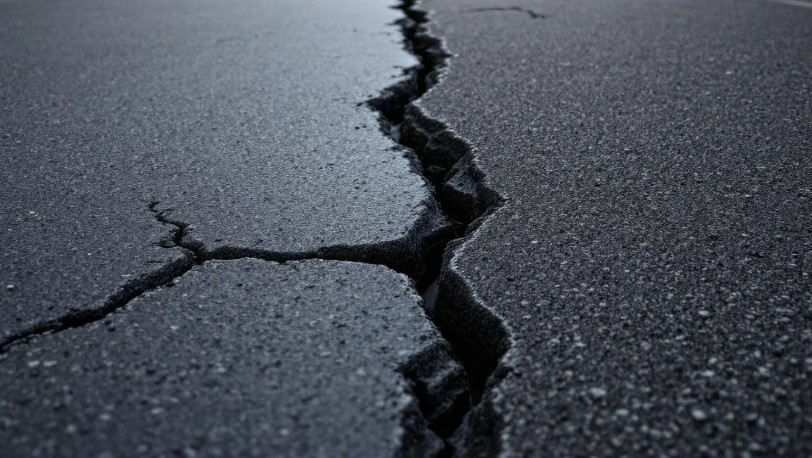
In making a decision between crack filling and crack sealing, it is usually a question of how much it costs and how many years you want the repair to last.
Cost
The average price of crack sealing is between 1.00 and 3.00 dollars per linear foot. It depends on the type of material used and the size of the project. The cost of crack filling is cheap, between $0.50 and $1.50 per linear foot. Thus, it is convenient to use in a situation of a quick fix.
Durability
Crack sealing involves the use of flexible rubberized sealants that are able to move along with the pavement as it expands and contracts with temperature changes. Because of their elasticity, sealed fissures often last 5-8 years. Crack filling, on the other hand, uses hard fillers that do not adapt well to movement, limiting their lifespan to approximately 1-3 years. Sealing always provides good results for property owners looking for lasting solutions.
Property Type
Your property type also matters. Commercial lots, which have increased traffic and higher liability risks, benefit the most from crack sealing's durability. Residential driveways, particularly those with minimal vehicle use, can frequently get crack patching services for minor cracks.
Climate also has an impact on decision-making. Cracks grow and compress regularly in hot climates, making sealing a significantly superior option. Cold areas with freeze-thaw cycles also benefit from sealing since the flexible material resists splitting. In continuously damp areas, sealing provides improved moisture protection by preventing water from infiltrating and weakening the foundation.
7. Which Method Repairs Best
It is worthwhile to compare both crack sealing and crack filling techniques side by side before deciding on which one to use, considering how they work, what their life span is, and where they can make the most difference.
| Factor | Crack Sealing | Crack Filling |
|---|---|---|
| Best For | Active, moving cracks (expand/contract with temperature). | Non-moving, shallow surface cracks. |
| Material Used | Hot-applied, rubberized, highly flexible sealant. | Asphalt-based fillers, cold-patch materials, and emulsions. |
| Flexibility | High flexibility as it stretches and compresses with pavement movement. | Low flexibility as it becomes rigid over time. |
| Durability | 5–8 years | 1–3 years |
| Cost per Linear Foot | $1.00 – $3.00 | $0.50 – $1.50 |
| Climate Suitability | Ideal for hot, cold, or fluctuating climates. | Best in mild climates with minimal seasonal movement. |
| Commercial vs. Residential | Preferred for commercial lots, heavy traffic, and liability-prone areas. | Suitable for residential driveways with lighter use. |
| Water Protection | Forms a long-lasting waterproof barrier. | Blocks water but may weaken sooner. |
| When NOT to Use | Not effective for structural failures like alligator cracking. | Not recommended for deep, active, or widening cracks. |
| Overall Value | Higher cost but superior lasting durability. | Budget-friendly short-term solution. |
8. When Do You Need Asphalt Resurfacing?
Sometimes the pavement conveys signals that no amount of sealants or filling can cover the damage. A weakening or moving base cannot sustain the asphalt above it, so even recently fixed cracks can enlarge or proliferate. At that point, asphalt resurfacing becomes the solution for this problem.
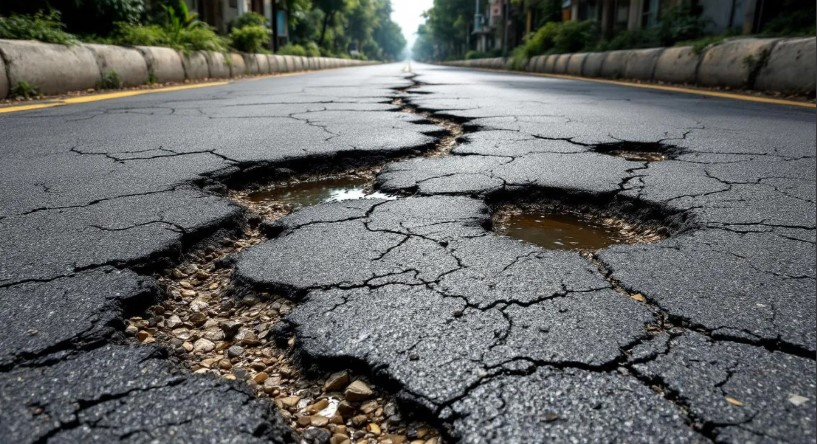
The most noticeable alarm is alligator cracking. Rather than having one distinct crack line, the pavement is divided into a grid of tiny and intertwining cracks. This is the trend in cases where the structure on which the asphalt is found has already been exhausted. Sealants and fillers will never allow the strength of a broken base to be restored only by resurfacing or replacing.
9. Need of Crack Repair
Cracks should be properly repaired in order to increase the general life of asphalt surfaces. In the absence of repairing the fractures, water can find its way into the layers that form the pavement, and this water can weaken the foundation, resulting in the formation of potholes and cracks along the edges. Sealing cracks will postpone the necessity of expensive resurfacing or total replacement.
10. Choosing a Suitable Asphalt Repair Process
In choosing between asphalt crack sealing and crack filling, it is significant to assess both the type and extent of cracks. Minor cracks usually need crack filling. This is a cheap process that offers a reliable, quick solution to ensure that water does not leak into the basement.
Flexible cracks, however, which expand and shrink with the temperature, are best dealt with by crack sealing, where mobility is provided and the life of the asphalt is increased. Asphalt resurfacing can be used in areas where the surface damage is widespread, like multiple and interconnecting cracks, since it offers a fresh and even surface.
11. Conclusion
The final decision on the selection of asphalt services depends on the nature of damage, your budget, and your durability needs. The assessment of the severity of cracks is a correct strategy that helps you select the best method, ranging from the prevention of minor issues to expensive fixing.
Crack sealing offers long-term protection to open cracks, which is flexible and can withstand more compared to crack filling. Crack filling is a cost-effective method for sealing small cracks. The immediate proper asphalt repair will not only save money but also reduce the cost of maintenance as well as provide the roads, parking lots, and streets with safety, smoothness, and durability for many years.
Are you ready to stop small cracks from causing expensive repairs? Our asphalt experts at New Pointe Contracting may examine your pavement and suggest the best and lasting solution. Call us today at 404-414-7192 for a free inspection, and we'll make sure your driveway or parking lot stays strong and smooth for many years.
.webp)