- February 16, 2026
One of the largest factors which dictate the life of asphalt pavement is weather. Be it blazing summer sun, heavy rain, snow fall, or freezes and thaws, all kinds of weather have set cracks, brittle nature, potholes and long-term decline. Knowledge on the impact of weather on asphalt can be used by property owners to save their driveways, parking lots, and roads, which would otherwise be damaged.
The Effect of Weather on the Life of Asphalt
Asphalt is flexible in nature, yet this allows the asphalt to be responsive to the environmental conditions. The variations in the temperature make the asphalt expand and shrink, whereas the moisture makes the base weaker and promotes degradation. As time passes unprotected pavement becomes brittle, oxidized and structurally weak.
How Heat Affects Asphalt
One of the biggest enemies of asphalt is the hot weather. When temperatures rise:
-
Asphalt becomes very soft and more flexible.
-
Heat softens asphalt and consequently causes surface deformities.
The UV Rays destroy the Asphalt Binder. The asphalt binder is oxidized by direct sunlight and it results in:
-
Surface fading
-
Brittle, dry texture
-
Increased cracking
-
Shorter pavement lifespan
Early Wearing in the Hottest Summers
With increase in temperature, the top layer becomes weak thus prone to scrapes and wheel traces as well as premature wear and tear.
-
The Asphalt Losses Because of Rain and Moisture.
-
One of the most destructive forces to asphalt is water.
Water Seepage
Rain water works through hairline cracks and gradually eats away the foundation under the surface.
Standing Water
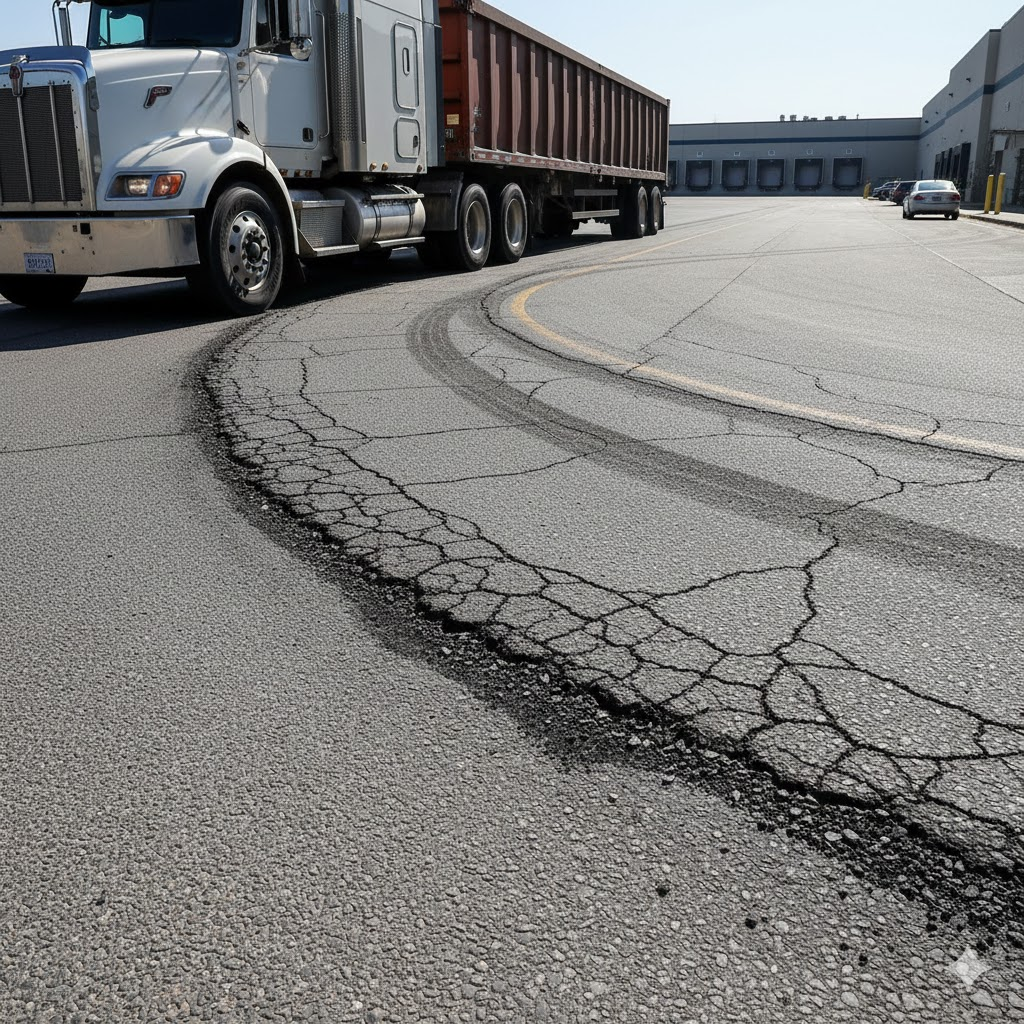
In absence of drains, water would be lying on asphalt. Over time, this causes:
-
Cracks
-
Soft spots
-
Alligator cracking
-
Potholes
Moisture
As soon as water penetrates to the bottom layer it erodes the foundation. This causes sinking grounds that ultimately give way creating potholes.
Snow, Ice & Freeze-Thaw Cycles
Cold conditions may be particularly devastating to asphalt, and the freeze-thaw cycle is the cause of the majority of it. The process of rapid expansion and contraction of asphalt takes place when temperatures drop below freezing and increases irregularly.
Water Freezes in Fissures and Swells
Water when it trickles through tiny cracks and becomes frozen expands by almost 9% thus forcing the cracks to enlarge. This repeated expansion deteriorates the structure of the asphalt with time and leads to the development of greater points of fracture.
Frequent Freeze-Thaw Cycles
In winter, the asphalt shrinks in cold weather and widens in hot weather. This is a cycle repeated dozens of times every season, which results in:
-
Pavement lifting
-
Deepening cracks
-
Surface instability
-
The formation of potholes at the initial stage.
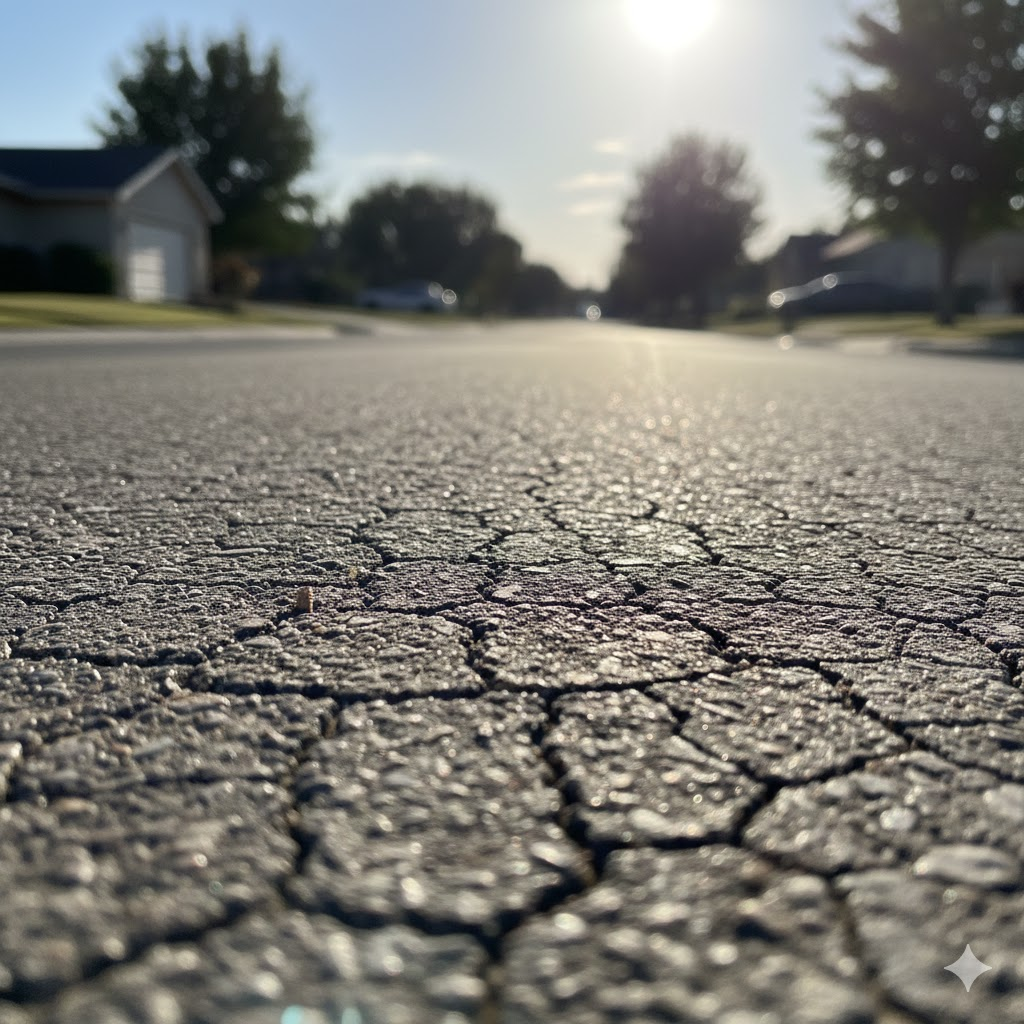
It is one of the reasons why the pavement damage in winter is frequently suddenly manifested in spring.
De-Icing Salts and Asphalt Damage
Salt is crucial to safety, however, it enhances moisture penetration. The more ice melts due to the salt, more water gets into the asphalt surface. This hastens the oxidation, wear and tear of the binder that binds asphalt together.
Snowblades Scraping off the top
Aggressive ploughing with metal blades which are too low may:
-
Remove protective sealcoat
-
Wipe off surface aggregate.
-
Do not make the pavement smooth.
-
form the point of departure of cracks.
Damages on Asphalt to be Monitored in Every Season
Each of the seasons is associated with its own danger signs. Early detection and identification of them are good in avoiding major repairs and prolonging the life of your pavement.
Spring:
The spring, following the winter, shows the destruction of the freeze-thaw cycles:
-
New potholes appear
-
Due to the presence of water-logged base layers, areas are soft or spongy.
-
Edges begin to crumble
-
Ponding water means that drainage is not done properly.
It is the most appropriate time of the year to do repairs since the asphalt is healthy in moderate temperatures.
Summer:
During summer, asphalt becomes soft particularly when there is traffic congestion.
Common summer issues:
-
Rutting: depressions formed by the pressure.
-
Surface fading: UV oxidation damages binder.
-
New cracks: these are generated as a result of the expansion and drying of the surface.
Sealcoating either in summer or after summer is a very effective preventive measure.
Fall:
Fall is characterized by higher moisture rates and colder temperatures.
Look for:
-
Expansion of time of water pooling.
-
Slow drainage after rain.
-
Delicate cracks as the temperatures fall.
-
Leaves slippery or sticky made wet.
Fall is a season where crack sealing is ideal before fall comes.
Winter:
The most dramatic damage is caused due to the freeze-thaw cycles in winter.
Watch for:
-
Frost heave (swellings in pavement as a result of frozen soil)
-
Cracks widening overnight
-
Surface lifting or buckling
-
Increased brittleness
-
Snowplow or salt damage.
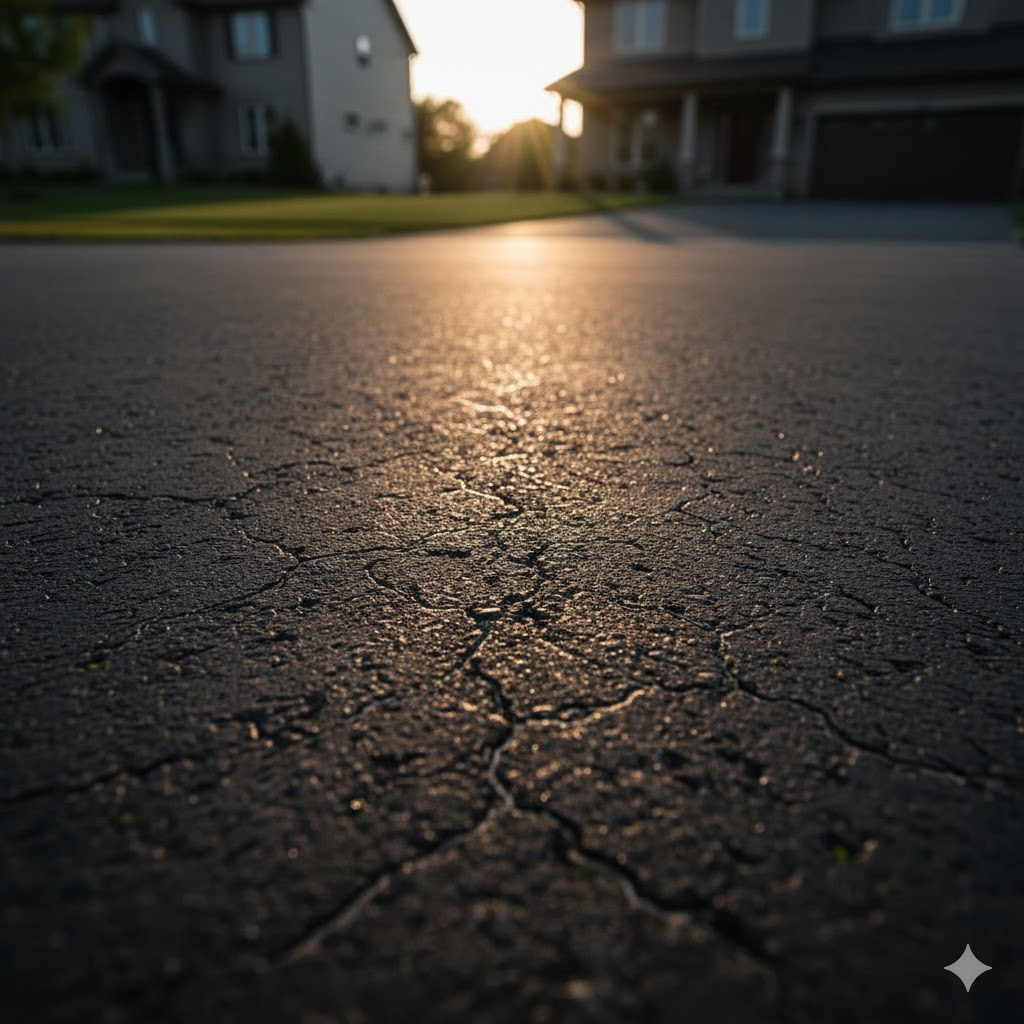
During the winter, there are not many options to repair it, that is why it is necessary to carry out pre-winter maintenance.
When the Asphalt Contractor Should be Consulted
Certain symptoms suggest more serious problems that have to be considered by the experts. These problems should be addressed by a professional for instant asphalt repair solutions.
Call a professional in paving in case you observe:
-
Spreading or deep cracks
-
Recurring potholes
-
Incised areas or depressed areas.
-
Long-term water pooling.
-
Great spaces of fading or raveling.
-
Surface lifting or buckling
These reflect possible base damage which may escalate fast.
Our complete guide to parking lot asphalt maintenance explains how sealcoating, crack filling, and timely repairs extend pavement life.
Conclusion
Weather conditions can never be avoided and on the other hand asphalt damage can definitely be avoided with regular care. It may be heat, it may be down pouring, it may be frozen winters but either way, all weather conditions are a challenge, and the solution is proactive maintenance which ensures pavement has a long life.
Having an investment that lasts years with sealcoating, crack fill, good drainage and regular check-ups, you will safeguard your investment.
Want to have your asphalt to be tough throughout the year? Book an inspection of the asphalt right now by calling at 404-414-7192 and receive professional advice that will fit your pavement requirements.

.webp)