- June 09, 2026
The residential asphalt paving costs may vary widely, as it is not possible to find two driveways that are similar. Such facts as the size of a driveway, the condition of the site, the stability of the base, and drainage requirements can greatly influence the final cost. The prices given on the same street can be extremely different, based on what is beneath the surface.
Numerous pricing variations simply boil down to what is included, and what is omitted. An asphalt driveway should be properly constructed, and this does not only involve laying blacktop. Pre-preparation procedures are minimized or disregarded, resulting in initial prices being tempting but mostly causing early cracking, sinking, or draining issues.
The other cause of price fluctuation is local conditions. The sloping land, heavy soil based on clay, and rainfall season in North Georgia all put pressure on the necessity of appropriate grading and base work that directly influences costs.
Residential Average Asphalt Paving Costs, 2026
In 2026 residential asphalt paving at the national scale is expected to be in the mid-range, which will indicate the increase in prices of materials and the labor demand, as well as the tightening of the installation standards. Although the online estimates will provide a guide, the actual pricing will rely on the local conditions and the extent of the project.
The price for North Georgia homeowners is usually inclined to be a bit higher than the generic national prices because of the terrain grading expenses, drainage evaluation, and soil excavation expenses. Slopes or clay subgrades used in constructing the driveways normally need more support at the base to avert future collapses.
The majority of residential pricing is based on a common driveway size of between 400 and 1 000 square feet, which includes most of the single- and two-car houses.
Residential Asphalt Paving Cost Snapshot
To further subdivide by unit cost, see Per-Square-Foot Costs: Asphalt Paving: A Homeowner Guide, which describes how the square footage of an area is directly proportional to the overall price.
| Driveway Size | Typical Cost Range (Installed) |
|---|---|
| 400–600 sq ft | $2,000 – $4,200 |
| 700–900 sq ft | $3,500 – $6,300 |
| 1,000+ sq ft | $5,000 – $8,000+ |
What is included in the price of residential asphalt paving?
In the quote for residential asphalt paving that the homeowner is given, the price will tend to represent several steps in work. An all-inclusive project usually encompasses:
-
Materials: Hot mix asphalt that is created to withstand residential traffic loads.
-
Labor: Pavers, rollers, dump trucks, and people with skills.
-
Base Preparation: This is compacted aggregate base (or repair) to support the surface.
-
Grading and Slope Modifications: This is to ensure that the water flows out of the home.
-
Cleanup & Finishing: Edge work, transitions, and site cleanup.
The low-cost quotes can be misleading, as they will omit or reduce important procedures, especially the base preparation and grading. These are not shortcuts that are readily observed at first glance, but more often than not end up cracking, pooling water, or requiring replacement.
Whether you're planning a new project or replacing worn pavement, our asphalt paving installation services deliver durable, long-lasting results.
Cost Factors that Affect Residential Asphalt Paving
Pricing of residential asphalt paving is guided by some fundamental facts that are easily comprehended by a homeowner without the use of technical lingo by the contractor.
Driveway Size & Layout
Big driveways will, of course, take more material and labor to install, though layout is important, too:
-
Wal-Mart driveways are generally less expensive.
-
Angled or curved designs augment the labor time and waste.
-
Wider than the double car widths, increasing material and compaction costs.
Thickness of Asphalt to Be Used in Residential Construction.
The direct relation between thickness and durability price:
-
2 inches: Used in driveways that are lightly used.
-
3 inches: The most common with residential use.
-
4 inches: Required in the case of heavy vehicles or subgrades that are weak.
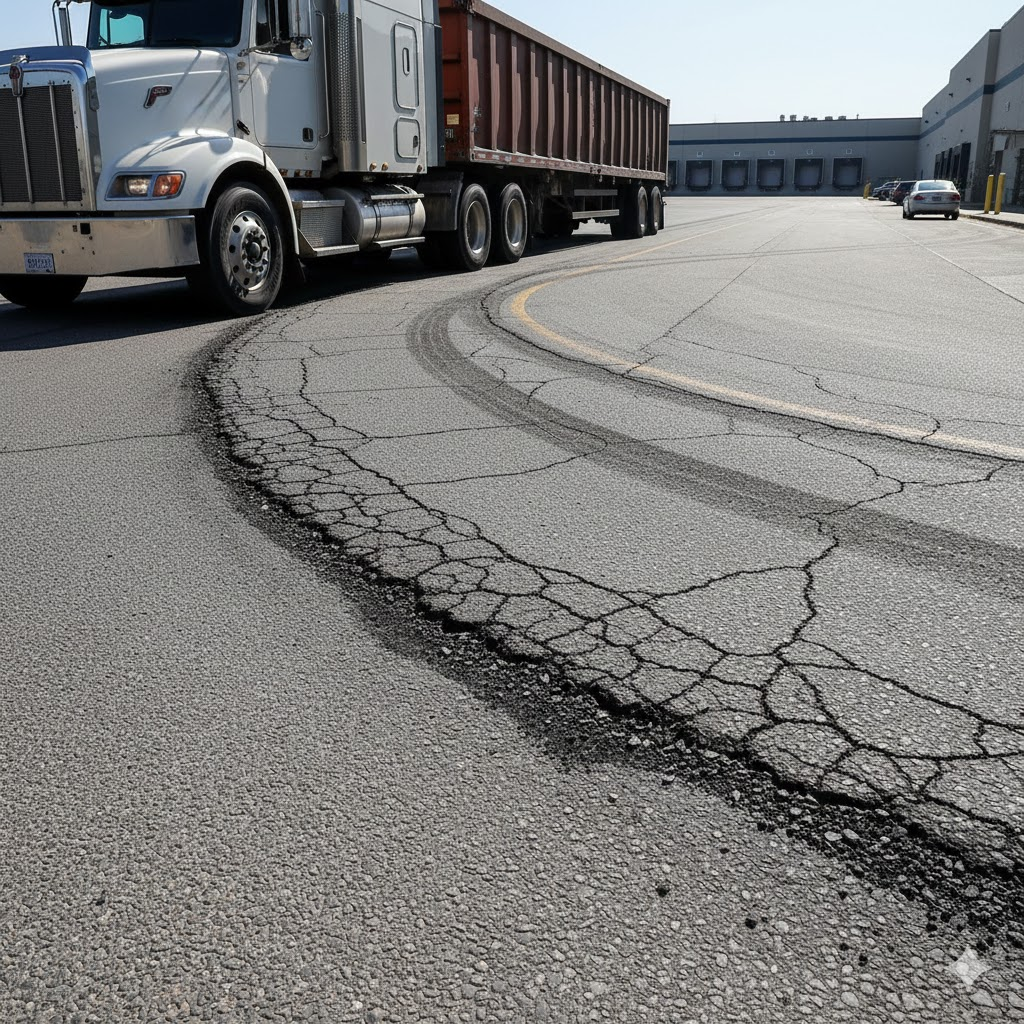
Laying down heavier asphalt is not always required, but on sloping sites with inferior soil or where moisture often occurs, such as in North Georgia, it might be of paramount importance in the future performance of the product.
Base Condition and Preparation of the Site
What lies under the driveway is as good as the asphalt:
-
Available stationary gravel beds save preparations.
-
Abnormal asphalt or loose ground causes a higher excavation requirement.
-
In North Georgia, drainage corrections are mostly necessary as a result of rainfall and slope.
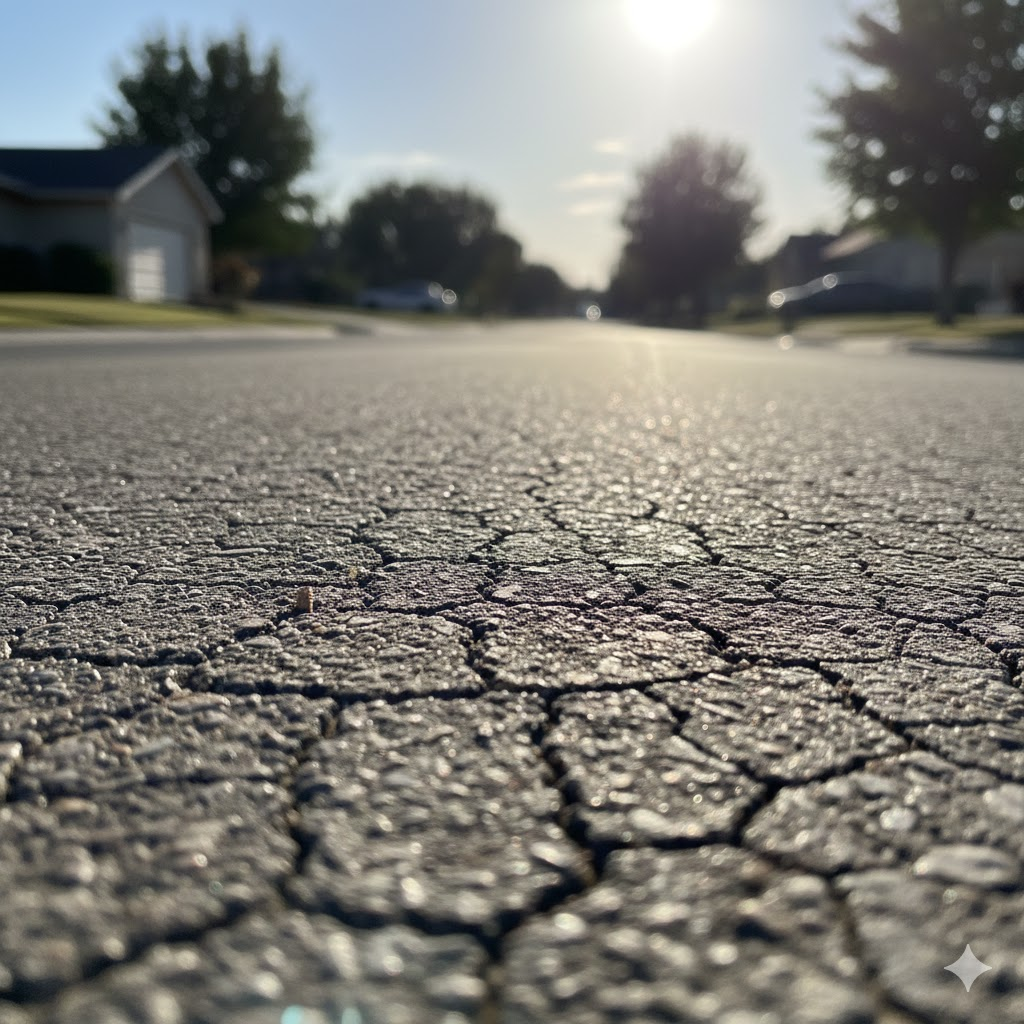
Averting your eyes to base problems can save money on the initial prices, but nearly always raises the cost in the long term in terms of repair.
Quick Comparison Between Residential and Commercial Asphalt Paving Costs
Asphalt paving used in residential and commercial use can be done with the same material, but the cost structure and performance needs are very different. The residential projects will be paved in accordance with the light and intermittent traffic of vehicles, whereas commercial paving will have to endure continuous and heavy traffic and more rigorous standards.
| Factor | Residential | Commercial |
|---|---|---|
| Traffic load | Light, personal vehicles | Heavy, frequent traffic |
| Thickness | Lower (2–3 inches typical) | Higher (4+ inches common) |
| Permits | Limited or none | More complex and regulated |
| Total cost | Lower overall | Higher due to scale & specs |
Common Hidden Costs Homeowners Don’t Expect
Most homeowners calculate the cost of paving their asphalt surfaces on the basis of the surface prices only, and usually, the concealed costs start to be felt once the work commences. These objects justify the fact that final invoices are certain to be higher than the preliminary estimates.
-
Excavation surprises: The soil may be of a soft type, or some buried debris may need to be excavated deeper.
-
Drainage fixes: Standing water problems are prevalent in North Georgia, which need to be addressed.
-
Elimination of the old concrete or asphalt: Demolition and haul-off costs.
-
Permission fees: There are counties in North Georgia that need driveway or grading permits.
-
Weather delays and remobilization: Rain may stop work and add to the labor scheduling costs.
Asphalt Residential Realistic Cost Scenarios
Rather than use averages, the best pricing approach for homeowners is the scenario-based pricing approach, which considers the actual conditions of driveways.
Scenario 1: Small driveway (simple installation)
It is the cheapest installation, and most single-car houses can fit this.
-
Minimal site preparation
-
Standard hot mix asphalt
-
Fast installation, either 1 day.
Scenario 2: Driveway (Moderate Prep) Mid-size.
Usual with two-car driveways that have small problems.
-
Reinforcement of bases needed.
-
To correct the runoff, drainage grading.
-
Minorly increased install window.
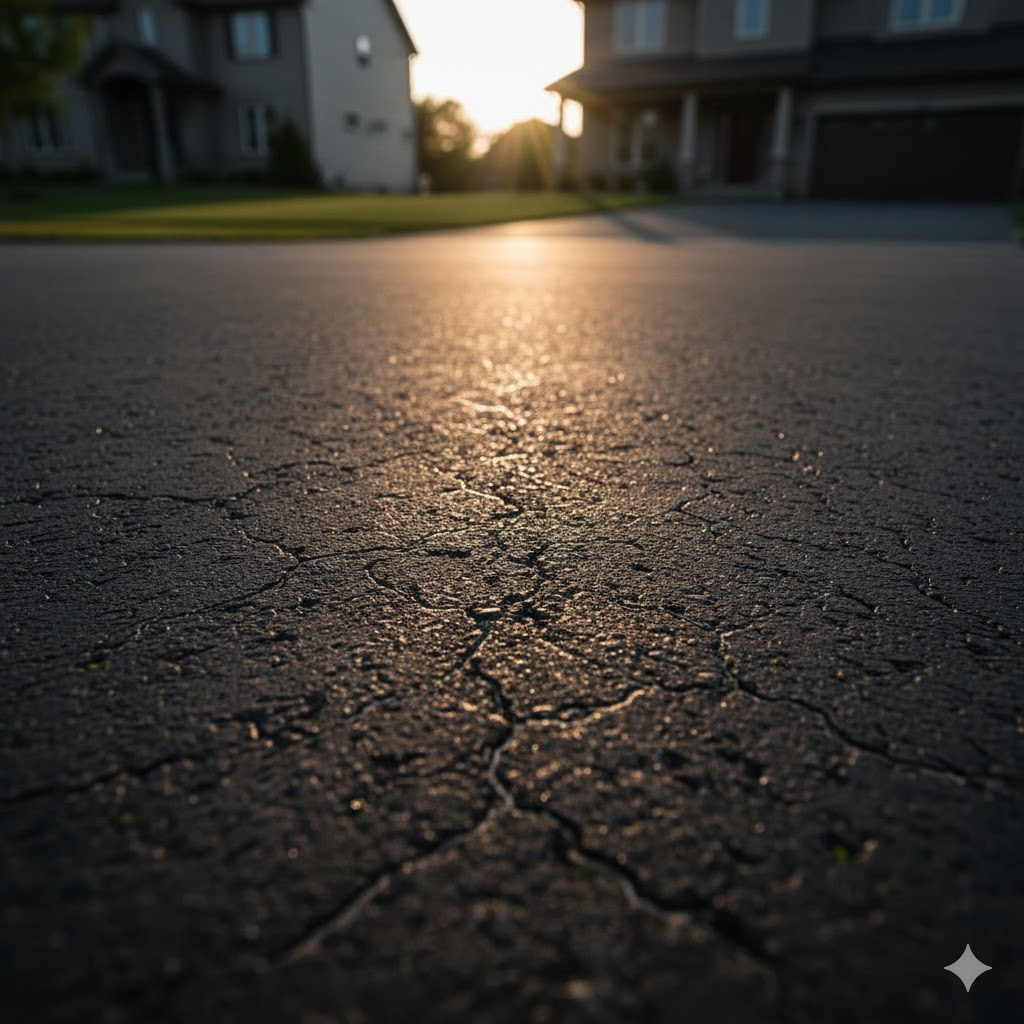
Scenario 3: Huge or Sloping Driveway.
Characteristic of the hilly North Georgia neighborhoods.
-
Increased asphalt volume
-
Extra equipment and man-hours.
-
Drainage engineering to eradicate erosion.
How North Georgia Location Impacts Residential Asphalt Pricing
The issue of location is significant with regard to pricing asphalt, and the state of North Georgia has a few problems that are difficult to resolve in terms of cost.
The heavy soil is usually composed of clay, and thus it cannot be prepared with just the base, as it may shift and crack. The seasonal rainfall will augment the necessity to design slopes and drainage appropriately, particularly on the sloppy land. The high demand also comes in spring and fall when the weather is conducive to paving, and this may increase the cost of labor.
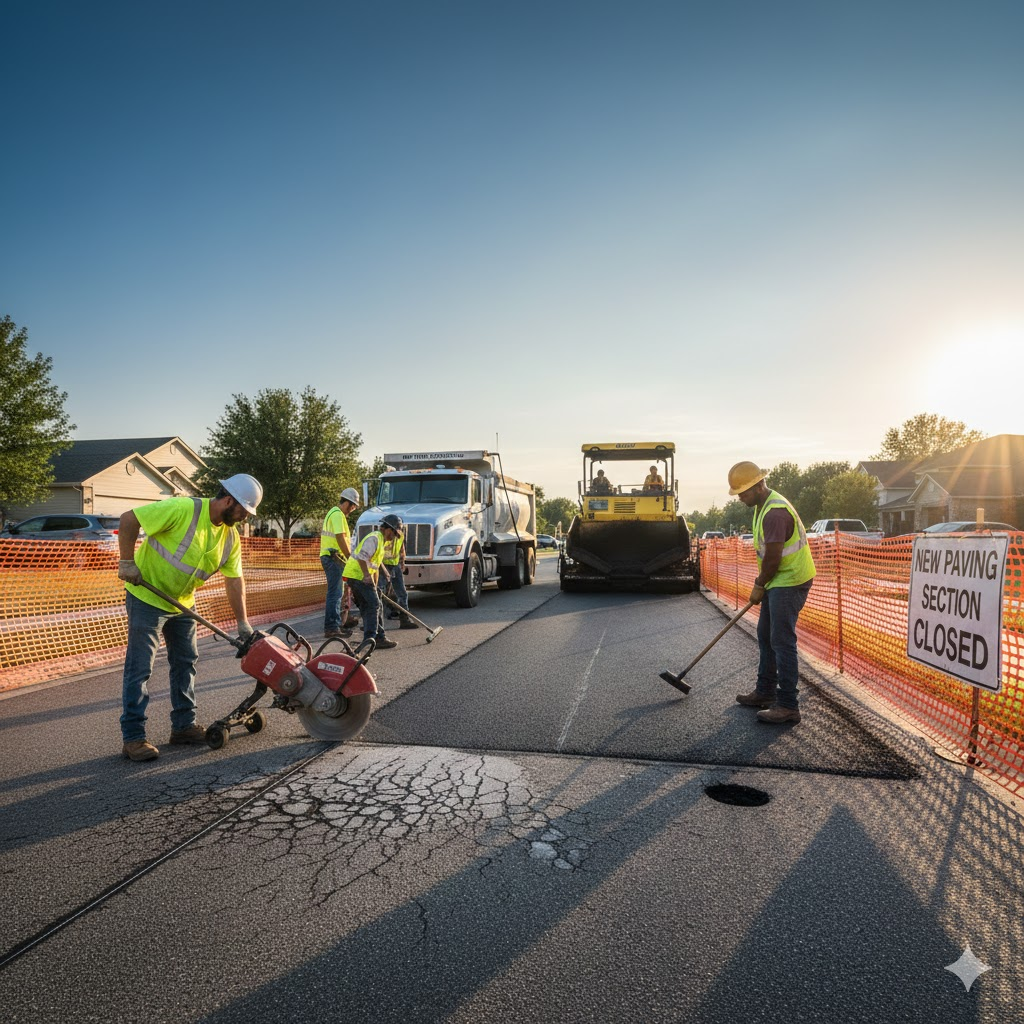
There may also be a difference in pricing between the rural and metro. The rural areas might be less expensive in labor costs and more expensive in material transportation charges, whereas the metro has high labor rates and may have availability requirements. These regional factors justify the fact that the near-me pricing will be different in North Georgia by a great margin.
How Homeowners Manage the Cost of Asphalt Paving
Although certain expenditures are inevitable, there is still a way of smart spending by the owners of a house that does not threaten their finances and does not compromise on quality.
Pave in an off-peak season when the contractors are not as occupied.
-
Prepare the base and pave in the same project to save on mobilization.
-
Select the right asphalt cover rather than overbuilding.
-
Do not have short-term fixes resulting in early repairs or replacement.
Long-term Asphalt Paving Cost Considerations
The real price of a residential asphalt driveway is calculated in its lifetime and not on the installation day. Maintaining it is much cheaper than replacing it before it breaks.
Sealcoating has a good ROI because it ensures resistance against water and exposure to UV. The repairs (cracks) are done on time before water intrusion occurs to weaken the base. Small problems are usually neglected, causing structural failure and complete resurfacing.
Conclusion
Pricing of residential asphalt should never be an educated guess. Proper quotes will be based on on-site investigations, soil type, drainage requirements, and driveway design, not on the internet rate.
Homeowners need to compare bids according to the scope and quality rather than price. The lowest quote does not necessarily include the important steps that result in more expenses in the future. A wise comparison guarantees improved performance and increased lifetime as well as actual worth on your investment.
Whether you have a new asphalt driveway that requires installation or you want to consider having your driveway resurfaced, the best method for you to ever know the actual cost of what you want is by having a professional estimate it on-site. Get your free quote by calling at 404-414-719 or visiting New pointe Contracting.
.webp "Asphalt Paving Price Per Yard How Project Size Affects Cost in North Georgia (2026)")