- October 14, 2026
Stains of oil on asphalt driveways do not seem to be a serious problem, merely a cosmetic one; however, they are a sign of premature cracks on the surface that can deteriorate later on. What may be a dark spot may soon deteriorate the pavement when it is not treated, particularly in parking spaces where high traffic is experienced.
Asphalt is a petrochemical compound, and hence it reacts adversely with engine oil, transmission oil, or fuel. Asphalt, instead of opposing these substances, absorbs them and allows the binders of the surface to degenerate.
The warm climate in North Georgia helps in speeding up this process. During summer when the leaks of oil are more prevalent, the asphalt is heated, and this causes the oil to get deeper into the surface.
Why Asphalt Driveways are Ruined by Oil Spills
Asphalt is dependent on binding agents to ensure that aggregate materials stick together and provide surface strength. Oil penetrating into the pavement dissolves these binders and interferes with the structural integrity of the driveway. With time, the spheres that are touched by oil are softened compared to the rest of the surface. This is an unbalanced form of strength, which makes the weight of vehicles create depressions, cracking, and surface disintegration, particularly in parking places that are regularly used.
With the continued damage, water starts seeping in through the damaged asphalt. Water intrusion increases the wear process, causing potholes, raveling, and base failure. The failure to clean oil stains costs subsequent driveway repair more and causes driveway resurfacing or replacement purposes in many cases. Considering the importance of asphalt maintenance is vital in ensuring that your investment in asphalt is not wasted.
Eliminating Fresh Oil Stains from Asphalt
New oil stains are the simplest and the cheapest to clean. Treatment of spills in between 24 and 48 hours offers the oil less time to attach to the asphalt and create irreparable effects.
Step 1: Immediate Oil D Absorbability
-
Clay-based litter, baking soda, or sawdust must be used abundantly.
-
Leave the absorbent material and leave it for 30 minutes or overnight.
-
Sweep and dispose of the material in an appropriate manner after it has soaked the oil.
Step 2: Degrease the Surface
-
Wash the stained area with an asphalt-safe degreaser or dish soap.
-
Brush off with a stiff-bristle brush to remove leftover residues.
-
Cold shower to wash away all cleaning agents and traces of oil.
New stains will be easy to clean since the asphalt has not been worn off. Timely removal will maintain the strength of the surface and eliminate the damages in the long run.
How to Get Old or Set-In Oil Stains Off
Old or old-fashioned oil spots are harder to eliminate, as the oil has already soaked deep into the asphalt surface. These dark spots that are stained make the pavement weak, and they need harder cleaning than new spills.
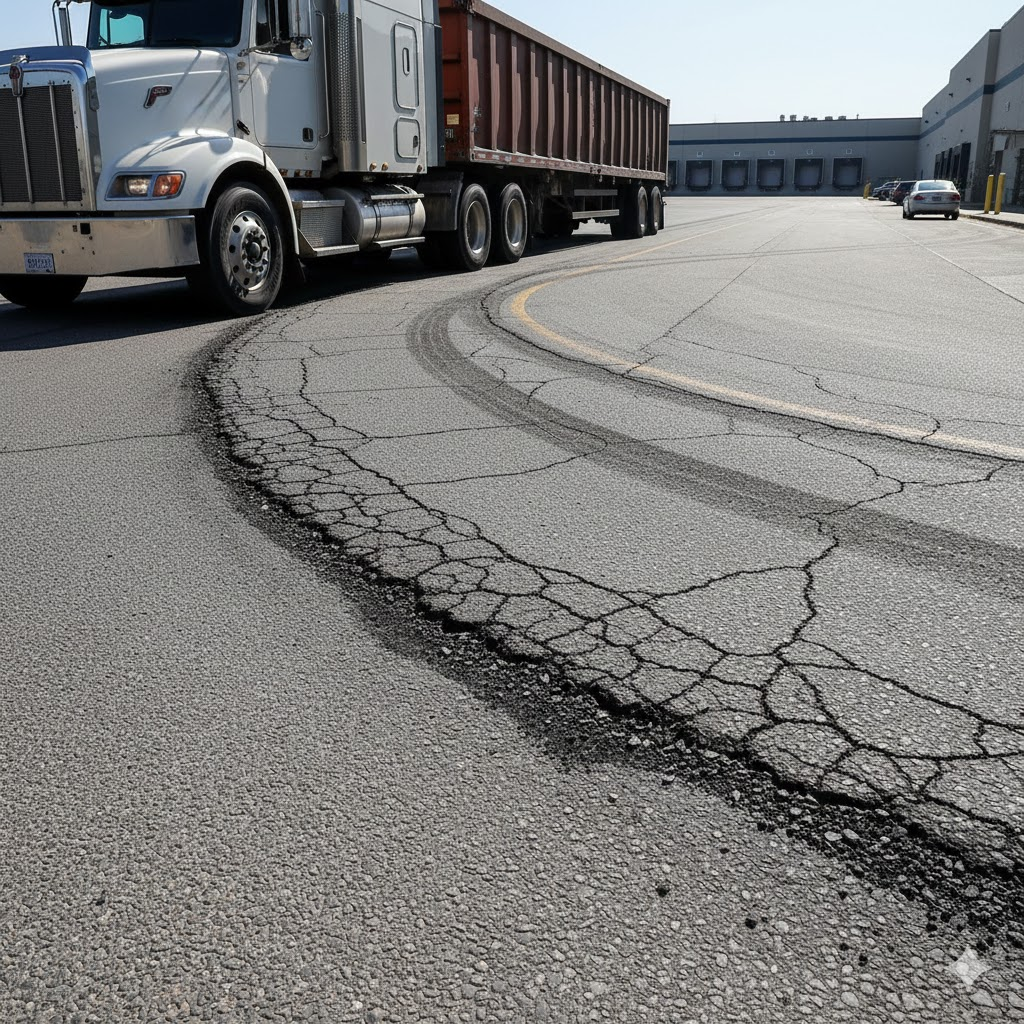
The elimination of old stains requires time and, in certain situations, a series of treatments. Although it is not always possible to do away with it, it is possible to decrease the damage through a proper cleaning and leave the surface to the repairs or sealcoating.
Business Asphalt Degreasers
The oil, which has seeped into the pavement, is broken down by specifically designed commercial asphalt degreasers. They are better than household cleaners on older and stubborn stains. Always take the instructions of the manufacturer. Give the degreaser some dwell time to loosen up the oil, then scrub and rinse carefully to prevent the buildup of residue.
Baking Soda and Vinegar Method
This is the most eco-safe choice that should be used by the homeowners who want to escape the use of severe chemicals. Baking soda takes up surface oil, and vinegar assists in dissolving the residue that may be stuck in the pores of the asphalt. Several applications might be essential to older stains. Although not always consistent, this technique can make stains less dense and prevent further degradation in case of regular application.
Pressure Washing (Caution is Necessary)
When used in conjunction with a degreaser, pressure washing can be used to lift off oil residue. The first step of cleaning should be to loosen the stain with the cleaning solution and then run it under water. High pressure should be avoided because the pressure may ruin the asphalt surface. Poor pressure washing tends to do more harm than good, making the pavement loose and weak.
What to Avoid on Asphalt Driveways
Not all cleaning procedures could be considered effective and, in fact, lead to irreversible damage to asphalt. Application of the wrong products or tools tends to reduce the life span of the driveway.
-
Gasoline or diesel fuel
-
Strong solvents unsuitable for asphalt.
-
Tearing wire brushes.
-
Excessive pressure washing
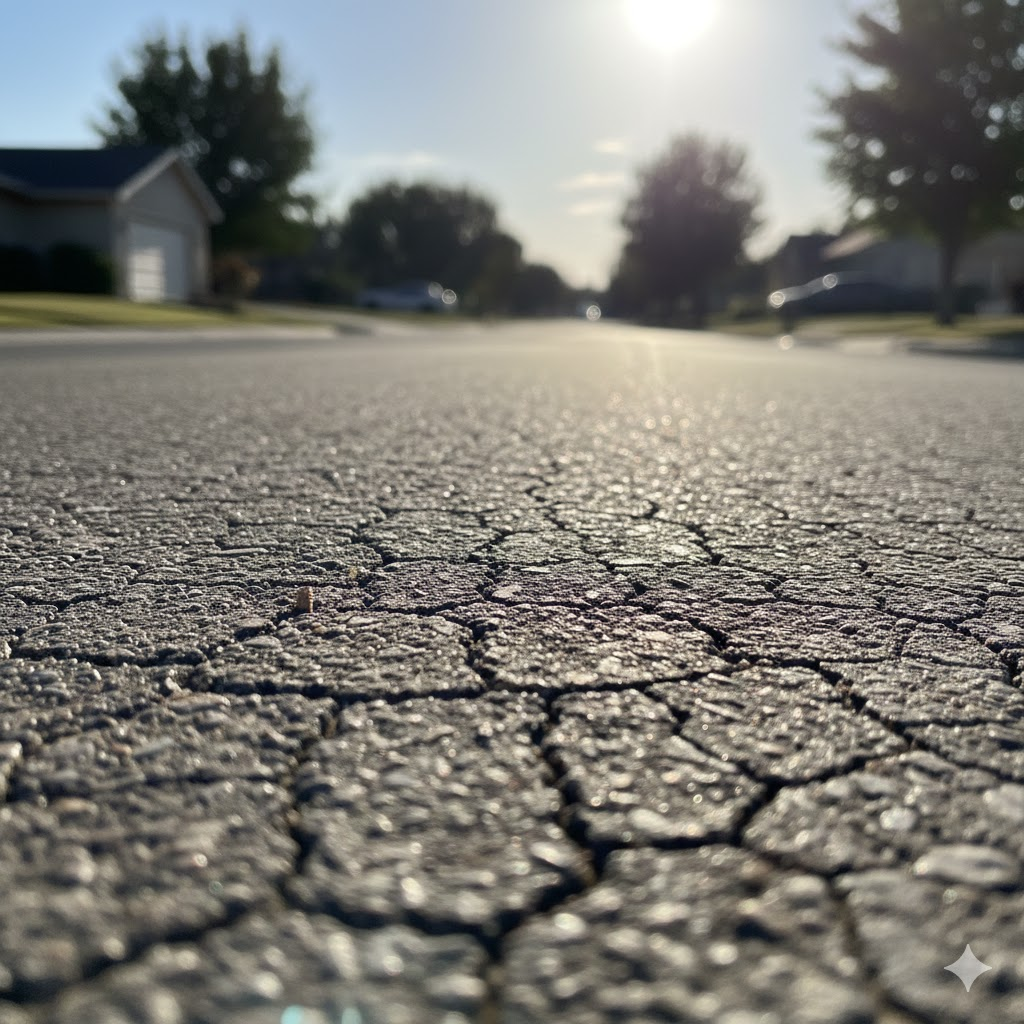
These techniques disintegrate asphalt binders and scrub off the surface aggregate. The damage that is caused in most cases is even greater than the original oil stain.
Effect of Oil Stains on Sealcoating and Lifespan
Asphalt with oil does not bond well with sealcoat. When it is used on oil stains, the sealant does not stick to the surface as expected. This results in peeling, flaking, and premature failure of the sealcoat, which usually occurs within months. The affected regions are still exposed to moisture damage and UV damage. Oil stains should be removed and finally sealed. Surface preparation will give the sealcoat a uniform bond, and it will offer long-term protection.
Stopping Future Stains of Oil on Asphalt Roadways
The best means of ensuring that your asphalt driveway is not damaged by oil is by preventative maintenance. Minimal actions can greatly prolong the life of surfaces and save money on repairing the surfaces.
-
Sealcoating provides some sort of shield to the oil absorption.
-
Seal car leakages at the earliest stage to avoid recurrence.
-
Install absorbent mats in the areas with frequent parking.
-
Remove minor spills before they can reach the surface.
Regular prevention is not only good in keeping your driveway looking good all year round, but it also helps in maintaining the structural integrity of the road, which is going to be used in the years to come.
When the Oil Stains Indicate Bigger Asphalt Issues
Regular exposure to oil does not just discolor the surface. In the long run, it hardens the asphalt on parking lots, forming weak points unable to support the weight of vehicles uniformly anymore, developing cracks on the surface, particularly where vehicles are parked on a daily basis. The cracks provide water to the pavement, which hastens the breakdown underneath.
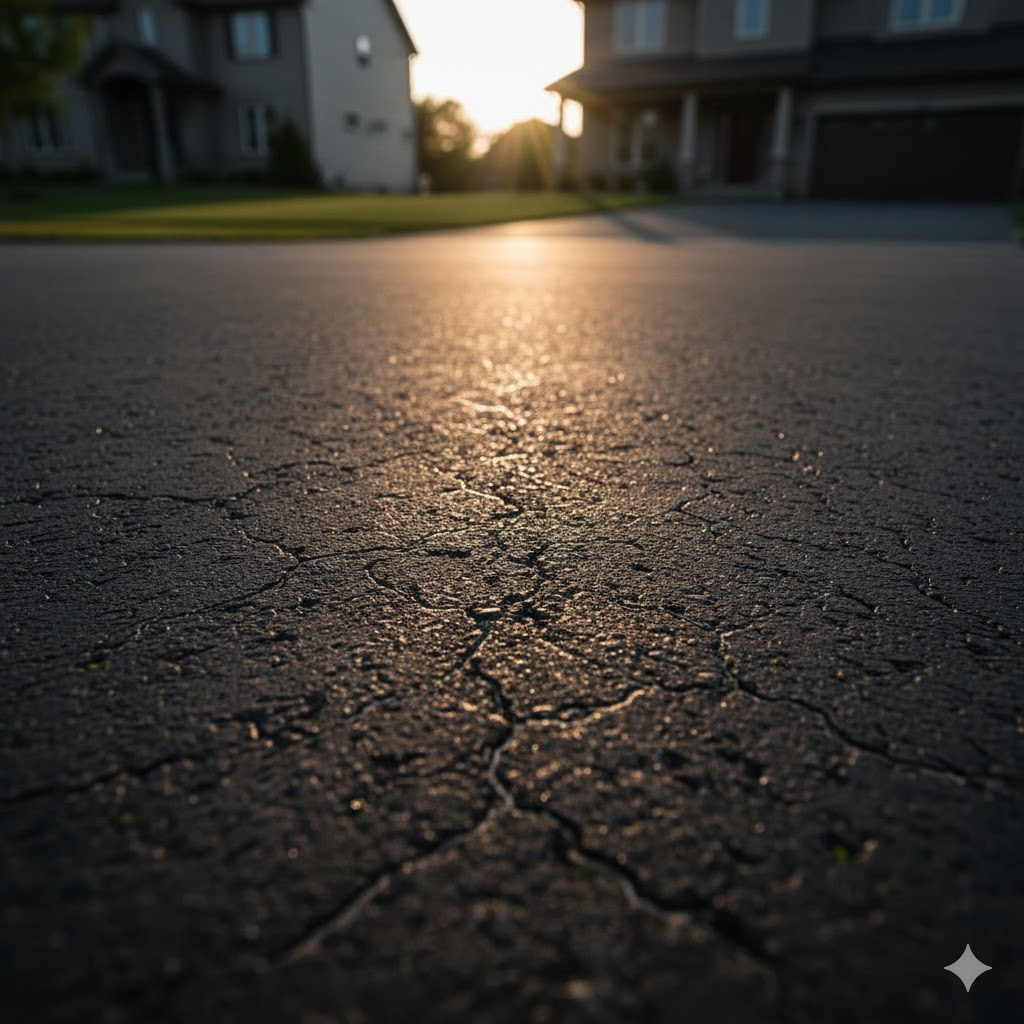
The presence of oil stains with soft spots or cracks that are spreading is normally a sign of a weak asphalt construction. Cleaning might not suffice at this point, and this is where professional inspection can be of use. Early detection of structural problems can ensure that minor problems do not evolve into expensive repair or resurfacing.
DIY vs. Professional Oil Stain Removal
The distinction between DIY and professional oil stain removal is valuable because it allows homeowners to prevent short-term solutions and other primary asphalt problems at an initial stage.
| Factor | DIY Oil Stain Removal | Professional Oil Stain Removal |
|---|---|---|
| Best for | Light or fresh oil stains | Old, dark, or set-in oil stains |
| Depth of cleaning | Surface-level cleaning only | Deep penetration oil removal |
| Products used | Absorbents and mild degreasers | Commercial-grade asphalt cleaners |
| Effectiveness | Works when stains are treated quickly | More reliable for stubborn stains |
| Damage assessment | Cannot identify structural damage | Determines cosmetic vs structural issues |
| Long-term results | May be temporary | Longer-lasting protection |
| Cost | Lower upfront cost | Higher upfront, but cost-effective long-term |
Conclusion
It is true that oil stains are small, but they can cause serious reduction of the longevity of an asphalt driveway when not addressed. The removal of untreated stains over time causes the surface to become weak and results in cracking, soft spots, and structural failure. Early removal of the oil stains is one of the most economical measures to ensure that your driveway is well protected. The frequent cleaning, sealcoating, and timely spill cleanup are useful to maintain the appearance and performance. These measures are also saving your investment and curb appeal.
A qualified asphalt inspection may determine the difference between the cosmetic or structural problems before they become an expensive repair. Collaboration with local specialists at New Pointe Contracting will make sure the appropriate solution according to the North Georgia soil and climate conditions will be used. Make an appointment today at New Pointe Contracting to have your driveway inspected. Get your free quote by calling at 404-414-719.