- October 05, 2026
One of the best ways through which North Georgia homeowners could control the long-term paving costs and increase the lifespan of the pavement and safeguard their investments is through asphalt driveway resealing. As the temperatures and rain patterns fluctuate, and as the costs of materials keep rising in 2026, opting not to be specifically dedicated to routine maintenance may result in untimely driveway wear and incur costly repairs.
Frequent resealing will postpone expensive resurfacing or complete replacement of a driveway, and as a preventive measure to keep up with increasing asphalt prices, it is a good idea to reseal often. Rather than allowing cracks and the surface to deteriorate until major structural repairs are required, sealcoating maintains the pavement that is already there and eliminates large-scale structural repair.
Resealing an Asphalt Driveway: What Does It Do?
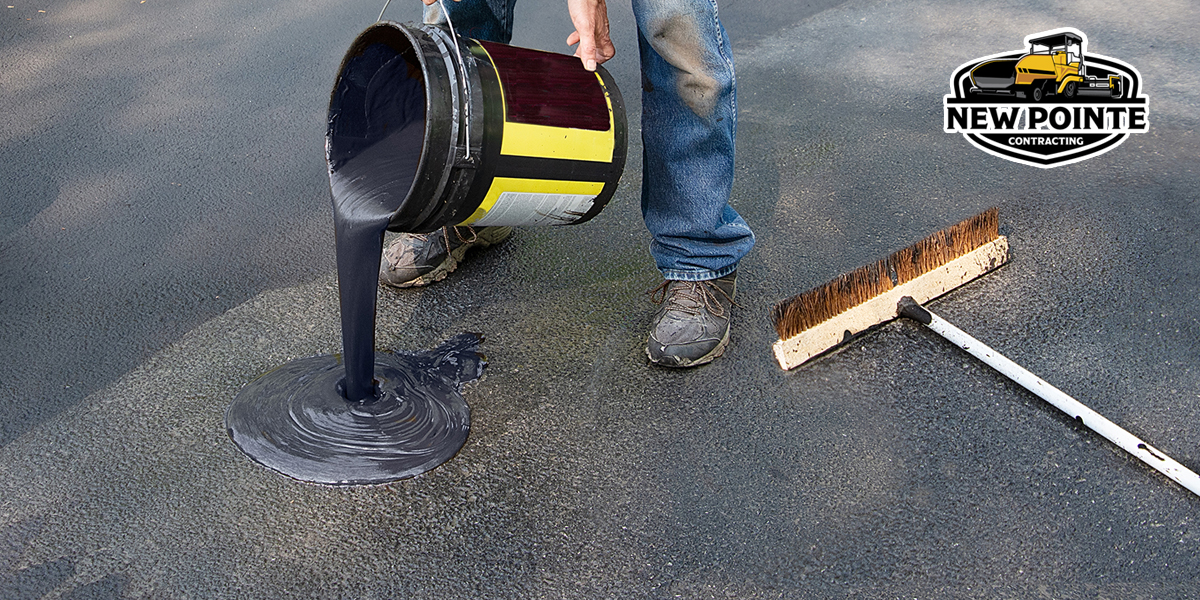
Asphalt driveway resealing is the process of coating the surface of the pavement with a protective coating in the form of a liquid. This layer serves as a shield between the asphalt and harmful external factors, increasing the wear and disintegration.
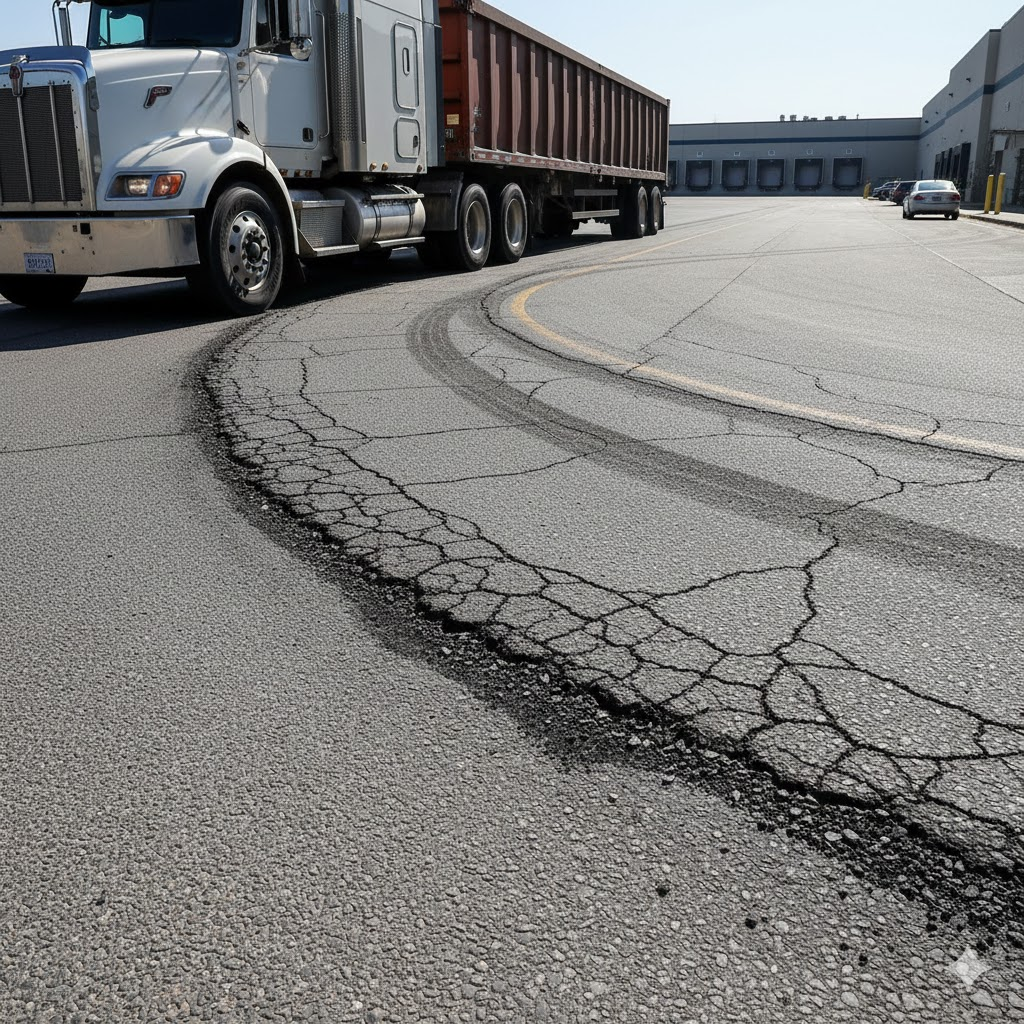
Sealcoating has the effect of protecting asphalt by:
-
Inhibiting oxidation of UV to make asphalt dry, fade, and become brittle in the strong sun of Georgia.
-
Water prevention, minimization of rainfall and moisture seepage, and winter freeze-thaw actions.
-
Oil, gas, and chemical leaks: Resistance to the softening and weakening of asphalt caused by oil, gas, and chemical spills.
One should also realize that resealing does not add strength to the underlying structural asphalt layer. Rather, it does not harden the protective surface layer but allows the base asphalt to be more flexible and durable.
What time to reseal your asphalt driveway?
The timing will be significant to the effectiveness of asphalt resealing and the length of the protection.
Timeline of General Resealing.
In the majority of North Georgia driveways, the initial sealcoat is to be put in place 6-12 months after it was installed, when the asphalt was fully cured, but prior to the onset of oxidation.
Subsequently, the homeowner ought to budget to seal their driveway after every 2-3 years, depending on the traffic and the exposure. Early sealing may entrap oils and lead to peeling, and delaying can lead to the formation of cracks and moisture damage under the surface.
Factors That Influence Resealing Frequency.
There are a number of local conditions that determine the frequency of resealing requirements, and they are
-
Climate: North Georgia has rain, summer heat, and freeze-thaw cycles, which hasten surface wear.
-
Sun exposure: Driveways with complete sun exposure oxidize more quickly than the shadowy ones.
-
Traffic load: The heavier the vehicles, such as trucks, trailers, or RVs, the higher the stresses on the surface.
-
Asphalt thickness and condition of base: Thinner asphalt needs protection more often.
Your Asphalt Driveway Needs Resealing
The identification of warning signs will allow minor surface problems to be planned as costly fixes.
Widely used signs that your asphalt driveway requires resealing are:
-
Instead of a rich black finish, a gray finish that is faded.
-
Hard, desiccated, or cracked skin.
-
No more beading of water upon rain.
-
Cracks on the hairline are starting to form.
-
Oil spills that have sunk into the road instead of lying on the surface.
-
Early mitigation of such signs may save a lot of money in the long run.
Resealing an Asphalt Driveway (Step-by-Step Guide)
The longevity of your sealcoat is determined by how well your surfaces are prepared and how well they are applied.
Step 1 - Wipe the Surface Correctly
Elimination of all dirt, debris, weeds, and loose material is required before sealing. Oil spills also need to be handled on their own, as sealants cannot be applied effectively to the oily parts.
Step 2 - Fix the Cracks and Minor Damages
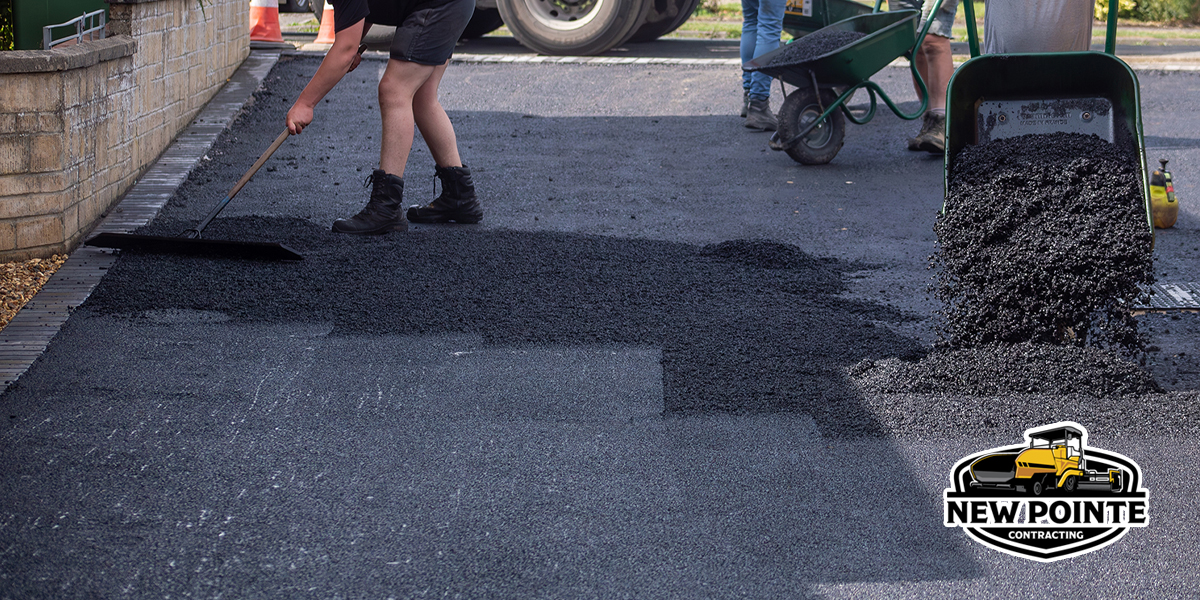
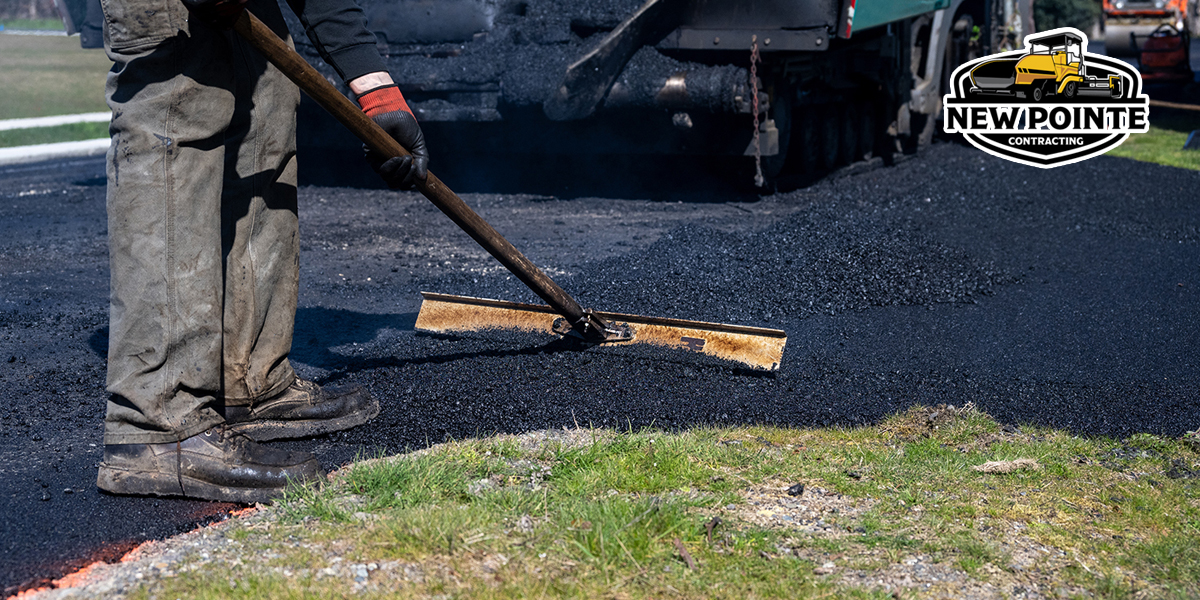
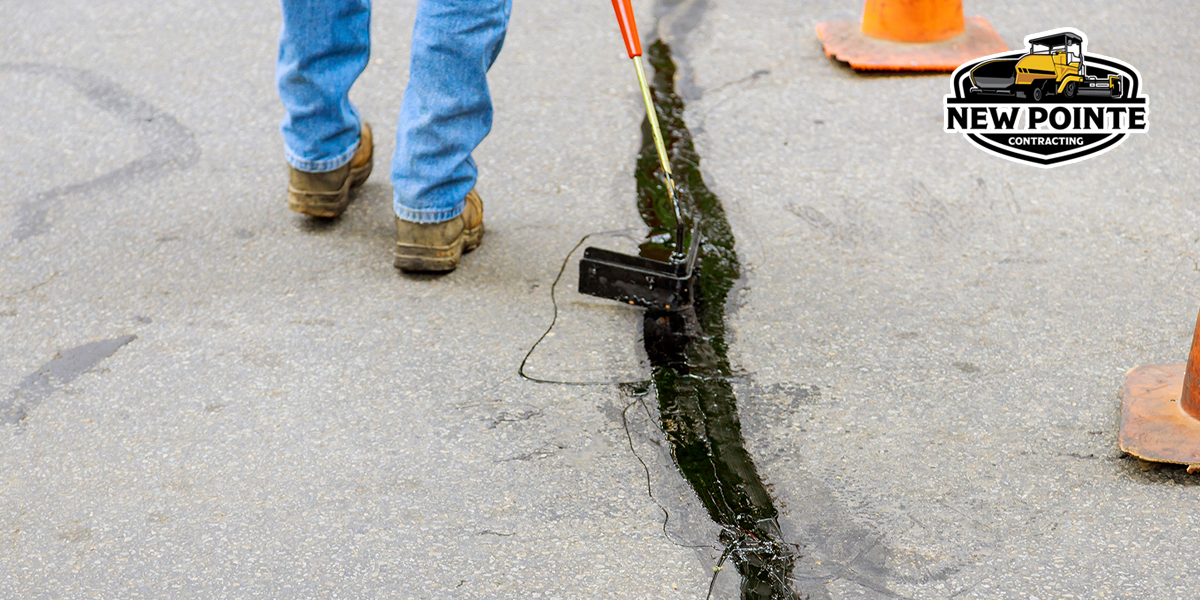
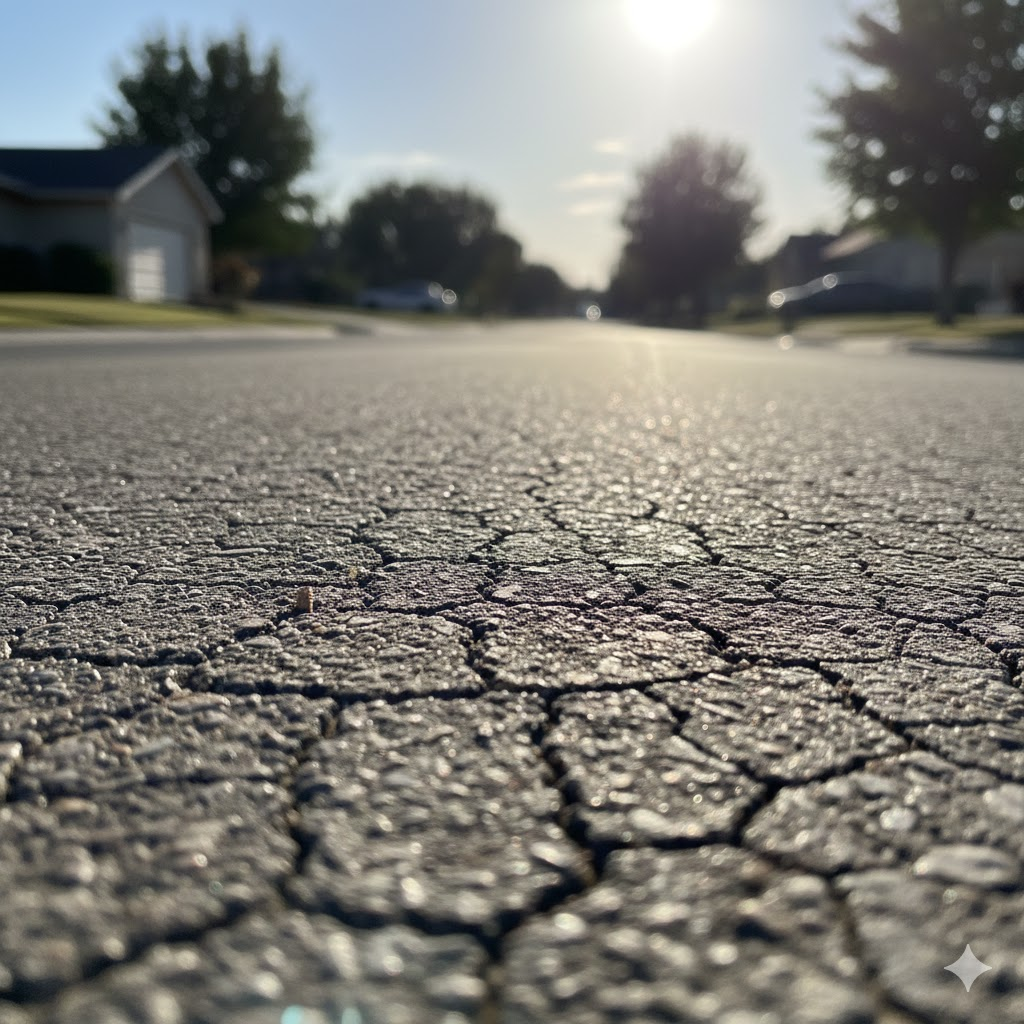
Covering cracks with seals will be letting water penetrate under the surface, making the lifespan of the driveway short. Crack filling is used as a remedy for small cracks, and patching is required in case of deeper or larger damage.
Step 3 - Select an Appropriate Asphalt Sealer
Usual choices are asphalt emulsion, coal tar, and acrylic sealers. Flexibility and environmental compatibility Asphalt-based sealers usually are favorable in the climate of North Georgia.
Step 4 - Sealer in Place
Sealants are easily available as a squeegee, brush, or spray system. The coats should be thin and even; excessive application will result in peeling, tracking, and uneven curing.
Step 5 – Curing and Dry Time
The average sealcoat takes 24-48 hours before traffic or feet may pass. To achieve a good bond and durability, it should not be sealed during rain, a lot of humidity, or when the temperature is extreme.
DIY vs. Professional Asphalt Driveway Resealing
The decision to reseal your driveway yourself or have a professional do it can have a great influence on the life expectancy and the look of your driveway as well as the overall cost.
DIY Resealing: Pros & Cons
DIY asphalt resealing might be very attractive because of its reduced initial expenses, particularly in small residential driveways. Local suppliers provide sealant and basic tools that can be bought by homeowners, who can finish the job during a weekend.
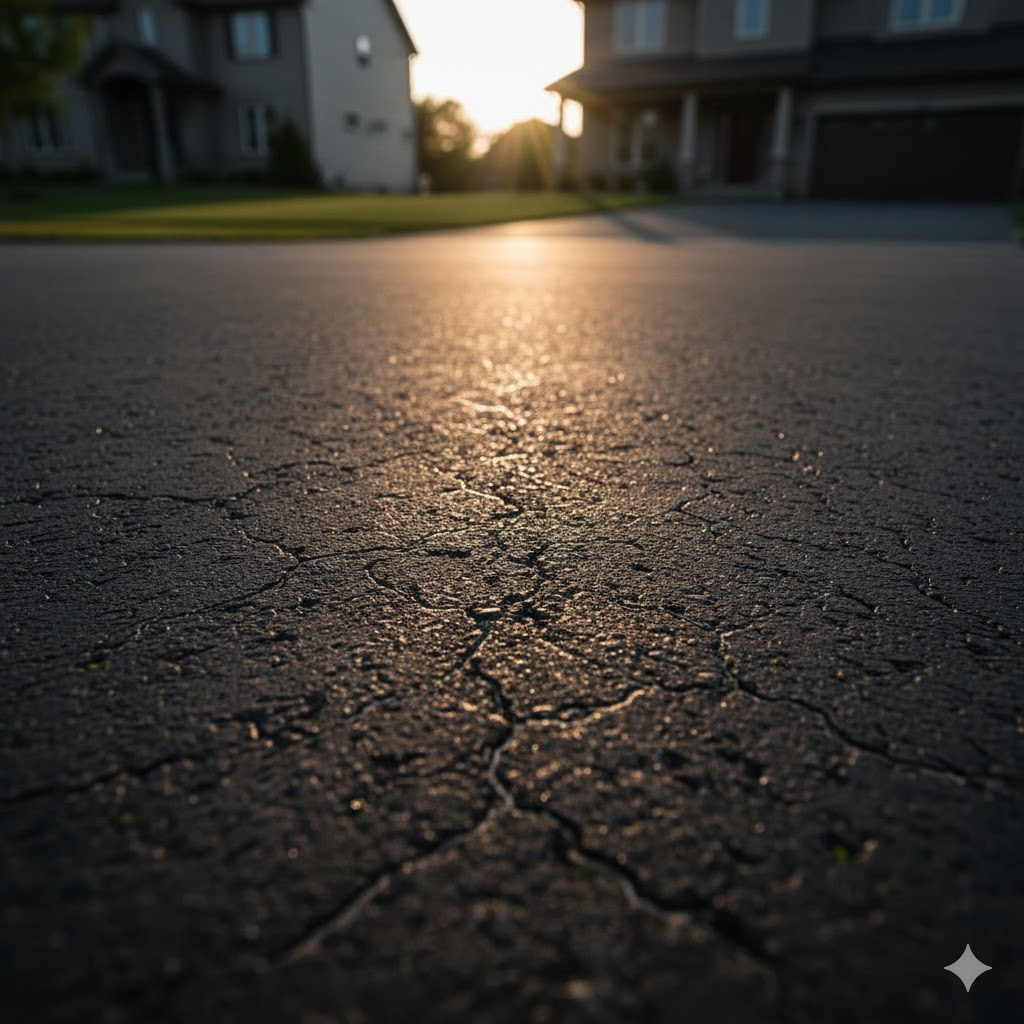
Nonetheless, the resealing performed by the DIYer has a greater risk of uneven coating, premature peeling, and lower durability. Poor cleaning of the surface, poor repairing of cracks, and excessive application are the frequent causes of premature failures that incur more costs of repair in only a few years.
Professional Resealing: Pros and ROI
Professional resealing of asphalt offers a better ROI due to the utilization of commercial-grade materials, state-of-the-art application equipment, and professional surface preparation methods.
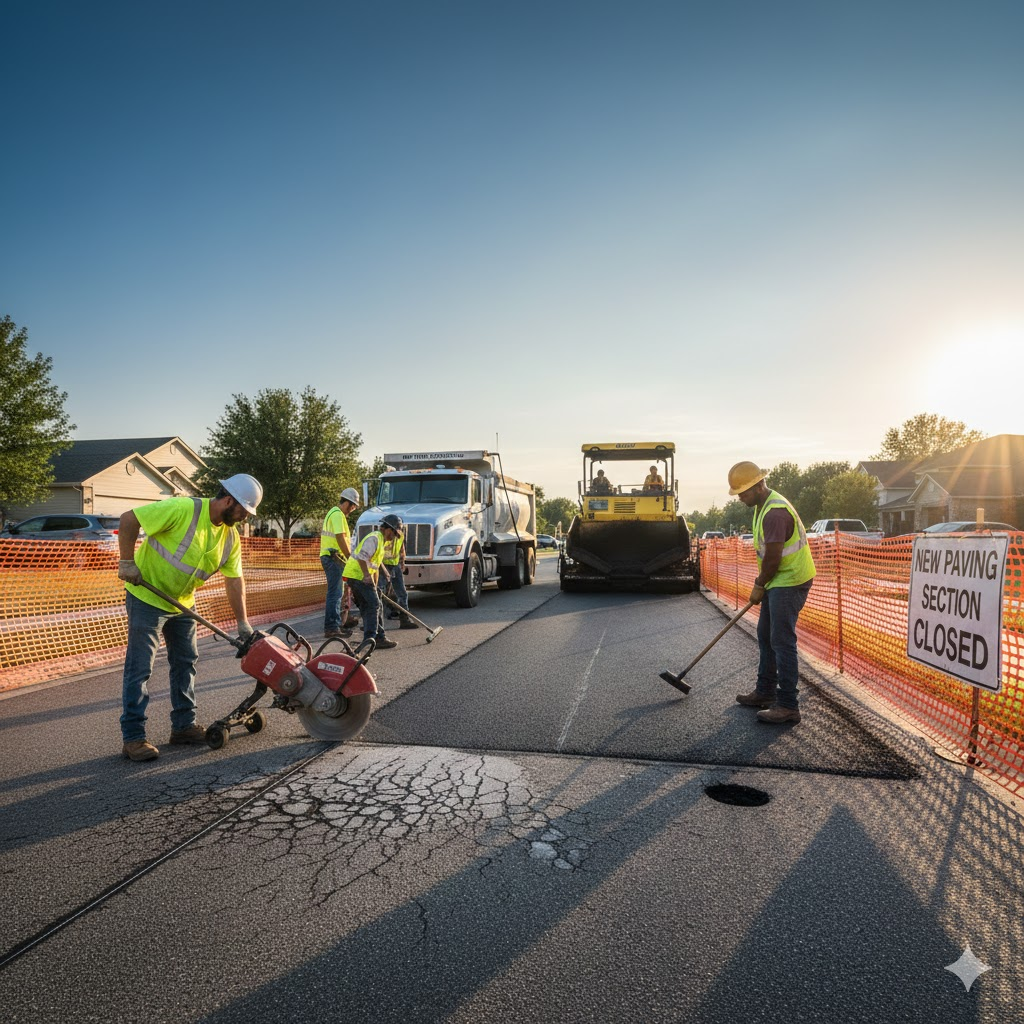
Contractors also make sure there is correct cleaning, repairing of cracks, proper choice of sealer, and proper curing conditions. This leads to better appearance, longer duration of sealcoat, and in most cases warranty coverage, and the professional resealing is cheaper in the long run.
The Protection-Reducing Protection Mistakes
It can be the difference between a sealcoat that will last years and one that will fail in a few months, so the only way to avoid these common mistakes is to avoid them.
The most common mistakes that homeowners commit are:
-
Covering asphalt that is dirty or wet, thus not adhering.
-
Sealing with cracks being ignored, water then proceeds to penetrate below the surface.
-
Use of sealer during excessive heat or coldness resulting in improper curing.
-
Applying a sealer of the wrong type to the climate in North Georgia.
-
Using coats that are too thick and therefore make it track, peel, and not be evenly worn.
-
Proper preparation and use are essential in the realization of total protective value.
What is the lifespan of asphalt driveway sealing?
Asphalt driveway sealing will last an average of 2-5 years in North Georgia. Driveways that are open to intense sunshine, heavy rainfall, and intense traffic are those that need to be resealed frequently.
The life of sealcoats may be cut short through ignoring cracks, oil spots, routine wash-ups, and regular maintenance, and correct application of the same may greatly increase the protective life of the sealcoats.
Cost of Resealing an Asphalt Driveway
DIY resealing is usually cheaper by the square foot initially and may have to be done more frequently since results are not always consistent.
Professionally resealing asphalt is relatively expensive at first but offers superior protection, less repair, and greater value. Compared to the relatively high price of resurfacing or a complete replacement of the driveway, resealing is one of the cheapest pavement repair options in 2026.
Asphalt Sealcoat Life Maximizing Tips
Even the easiest of habits may help to increase your sealed driveway life by a significant factor.
To protect your investment:
-
Keep your driveway clean by sweeping it off.
-
Parking heavy vehicles in one place should be avoided for long periods of time.
-
Timely eliminate oil and fuel spillages.
-
Follow up on cracks between seals and fix them in time.
These measures will minimize the stresses upon the surface and limit the premature sealcoat breakdown.
Conclusion
Preventive maintenance The method of asphalt driveway resealing prevents weather-related damages, oxidation, and expensive wear and tear. Resealing saves a lot of money long-term and makes for better curb appeal as compared to major repairs.
Arrange an inspection by a professional at New pointe Contracting. Request a resealing quote by calling at 404-414-719. Repairing the cracks together with resealing will provide ultimate protection and life.