- April 13, 2026
It is crucial that the average cost of asphalt paving is understood by the homeowner or the property manager intending to carry out a project on creating a driveway, parking area, or roadway. There is a wide range of prices of asphalt since each project is distinct in terms of size, surface condition, material needs, intensity of labor, and place. Asphalting is not a flat rate cost, and the prices of the materials also affect the costs involved in the work.
Average asphalt paving price in 2026
Generally, the cost of asphalt paving in the United States in 2026 will be between 3 and 8 per square foot depending on the nature of the project and the environment where it is being laid down. The residential pavement tends to be at the lower part of this range, whereas the commercial and industrial pavements are also on the higher end because of the heavier thickness and pavement preparation. Compared to complete replacement, asphalt repair and overlay works are much cheaper.
Price differences due to the regions are normal since asphalt products are petroleum products. The ultimate price of asphalt paving is influenced by the costs of fuel, the local labor expenses, the seasonal demand, and the distance between the asphalt plants. Costs are usually high in urban and high-demand regions compared to rural areas.
Rapid cost estimate to make:
-
Residential paving: $3–$6 per sq ft
-
Commercial paving: $4–$8 per sq ft
-
Asphalt repairs: $1–$4 per sq ft
-
The cost of overlays is approximately 30-50 percent less than complete replacement.
Per-Square-Foot Costs of Asphalt Paving
Asphalt paving residential prices are usually between 3 and 6 per square foot in 2026. The residential driveways range between 200 and 600 square feet, based on single-car or 2-car driveways. A one-car driveway is typically cheaper to install in general, whereas a two-car driveway will need more material and labor, thus raising the asphalt paving cost.
.webp)
Residential projects are usually more expensive per square foot in smaller projects since all the equipment setup, mobilization, and labor are allocated on a small area. Other things like base repairs, thickness of the asphalt, and decorative edging may also contribute to pricing. The homeowners will be able to investigate specific expectations.
Pavement Commercial Asphalt Paving Costs
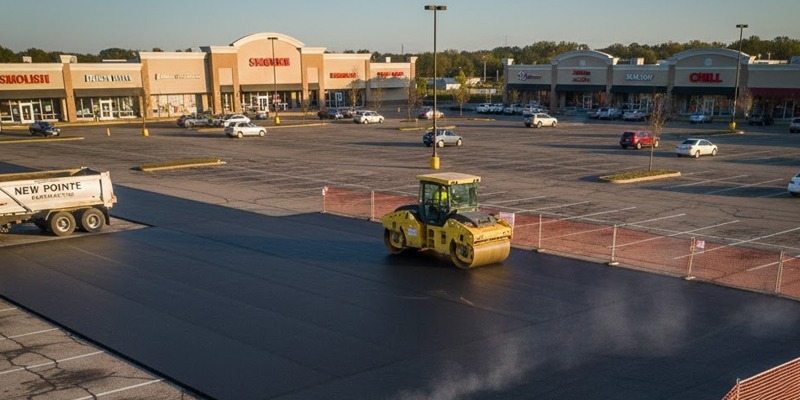
It is estimated that commercial asphalt paving would be around 4 to 8 dollars per square foot in 2026, depending on the size of the project, traffic, and the required compliance. Retail center parking lots, apartment and office building parking lots, and industrial yard parking lots usually require a higher asphalt layer, a greater base, and more sophisticated preparation than residential driveways.
The factors such as compliance with the ADA curb ramps, striping, drainage facilities, and surface sealcoating also influence the price of the asphalt paving. Commercial pricing guidance Expansive commercial pricing guidance is also available in Price Guide to Commercial Asphalt Paving Services: From Lots to Roadways.
Asphalt Paving Price Per Yard vs. Price Per Square Foot
The most common prices of asphalt paving are in a per-square-foot price form when the driveway of a residential house or a small asphalt paving job is to be done and the thickness and the amount of materials to be used are fairly steady. It is an easy method of pricing and aids homeowners in estimating the cost of paving asphalt in a short time depending on the total surface area. Square foot pricing normally covers regular asphalt thickness and basic site preparation.
.webp)
Large commercial or industrial projects that have a varying thickness of asphalt on the site are more likely to be priced on a cubic yard basis or on a ton basis. In such situations, contractors use the price that is calculated depending on the quantity of asphalt to be used and not the surface area. Layers of paving that are thicker demand more material, and this directly translates into yard-based/ton-based pricing.
The thickness of asphalt is the significant factor when pricing per yard. A residential driveway laden with a two- to three-inch overlay requires much less material as compared to a commercial parking lot that can fit delivery trucks. Yard-based pricing is especially advantageous to larger projects since it can be used to reflect the actual material utilization and tends to reduce the effective cost/sf with increased volumes. To further deconstruct, refer to Asphalt Paving Price Per Yard: How Project Size Affects Cost.
Which Factors Influence Asphalt Paving Costs?
Accessibility, Size, and Shape of Project
The size of the project is a major factor that determines the cost of asphalt paving, as the equipment, crew mobilization, and setup costs are constant irrespective of the area. These costs are distributed more effectively in larger projects, and the price per square foot is reduced. Complex forms, small entrances, steep slopes, and curved designs will also demand more labor and precision work, which adds to the total price of asphalt pavements.
Asphalt Thickness and Intended Use
The thickness of the asphalt depends on the purpose the surface is supposed to be used for. Passenger vehicles will normally use a thinner layer of asphalt in residential driveways, whereas intense commercial and industrial places will need a heavier pavement to accommodate larger traffic loads. The loading docks or truck lanes that handle heavy loads would likely require a reinforced base, and this would cost more in terms of materials and labor.
Preparation of the Site
One of the cost drivers in asphalt paving that is most critical is site preparation. Elimination of old pavement, the decision on whether to overlay or resurface, and fixing drainage problems and strengthening weak soil may have a significant impact on the overall cost. An overlay can also be economical in cases where the underlying base is sound, whereas complete removal and replacement are needed in cases where there are structural damages or failure of drainage.
.webp)
Asphalt Type/Material Selections
The asphalt is available in various forms with varying prices. Hot mix asphalt is the most long-lasting and widely used, and cold mix asphalt is less expensive and not suitable to be used in surfaces that are long-lasting. Asphalt can be recycled to produce recycled asphalt pavement (RAP), which can be less expensive and have less environmental impact, although more costly porous or specialty asphalt is used to enhance drainage. Since asphalt comes as a derivative of petroleum, the cost of materials in 2026 would be directly affected by changes in oil prices.
Labor, Equipment, and Local Market Rates
The cost of labor and equipment depends upon the experience of the crews, the complexity of the projects, and wage standards in the region. Specialty equipment enhances productivity at the expense of high initial expenses. Pricing is also influenced by seasonal demand, as prime months to do asphalt paving will, in most cases, lead to higher prices since the contractors' demand will be high.
Asphalt Driveway Paving Budgeting
Certain things necessary to make the correct budget begin with measuring the total surface area, finding out the asphalt thickness needed, and including the preparation and finishing cost of the site. The excavation, base installation, paving, and optional features, including sealcoating or edging, are planned to ensure that the total project cost is not underestimated by the homeowners.
Asphalt Repair and Maintenance Prices
The asphalt repair and maintenance are normally much cheaper than a complete paving replacement, and therefore early intervention is among the best moves in safeguarding pavement investment in 2026. The price will be determined by the level of damage, availability, and preventive or reactive repairs.
Common Asphalt Repair Costs
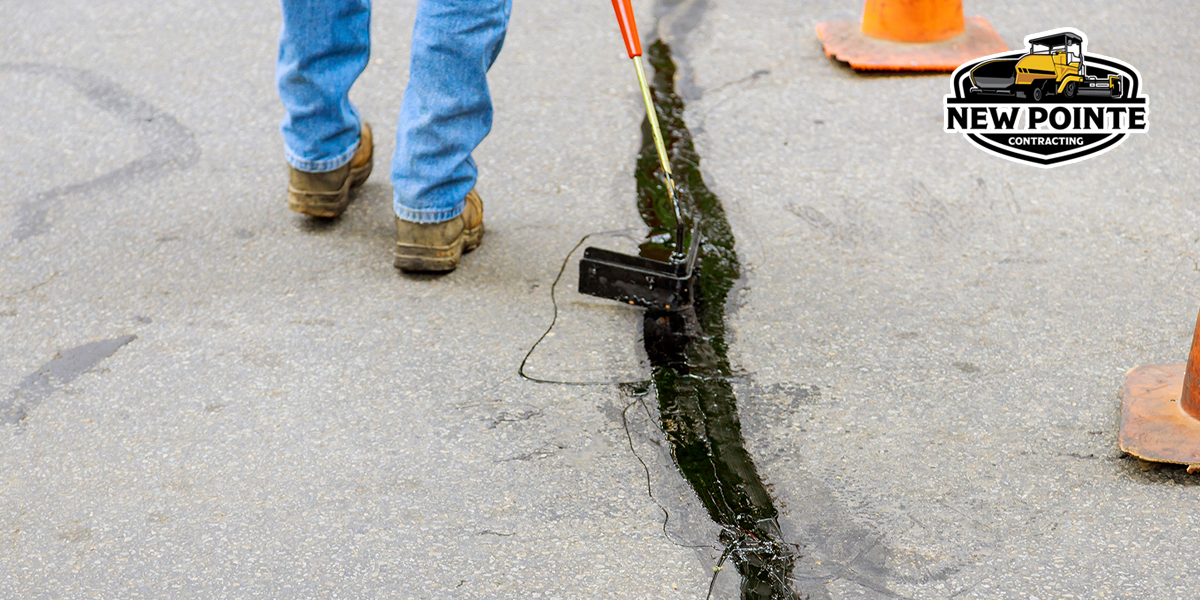
One of the cheapest types of asphalt care is crack filling, which is employed to avoid water penetration before the structure is damaged. The expenses are not very expensive due to the speed of the process and low level of materials consumption. Pothole patching is more costly on the basis of labor intensity and the depth of the materials, particularly when it has penetrated to the bottom layer. The edge repair would be in between crack filling and pothole patching since it is often necessary to reshape and strengthen the pavement boundaries that have been weakened.
.webp)
Full Replacement vs. Resurfacing Costs
Resurfacing is rational in cases where the asphalt layer has not yet deteriorated to the point of structural insufficiency but has worn off or oxidized or has superficial cracks. It renovates looks and functions at a small fraction of the replacement price. The need to replace the base is inevitable in case there are base failures, cracking, or drainage problems of a large scale. As much as replacement is more expensive at the initial stage, it has a longer life cycle and also removes recurrent costs of repair time. To achieve local pricing input, head to What’s the Typical Cost to Have Asphalt Paving Repairs in Your Area.
Full Replacement vs. Asphalt Overlay: Comparison of Cost
In 2026, asphalt overlay is usually a significantly lower cost than the cost of full replacement since pavement and base layers will be present. In case the underlying conditions are healthy, overlays can be installed faster and offer a new surface. Full replacement is more expensive because of excavation, base rebuilding, and additional labor, but it offers the longest life.
Comparing the long-term ROI, the overlays have good value in case they are timed well, whereas the replacement offers more returns in case the surface is highly used or in bad condition, as it removes the repetitive repairs. The general life of the replacement is much longer, particularly in the commercial or high-traffic setting.
Asphalt Paving Cost in the Real World
Driveway Examples That the Residential Driveway Costs
A residential driveway that is 400 square feet in size has a lower total cost range, but a higher price per square foot can be charged because of the fixed equipment and labor costs. A 600-square-foot driveway is also more cost efficient, lowering the price per square foot. Ornamental improvements like tailor-made edging, the use of thicker layers of asphalt, or high-quality finishes are expensive but durable and attractive in appearance.
Examples of Commercial Parking Lot Costs
The economies of scale evident in a 5,000-square-foot parking lot bring about evident savings in terms of the square footage of a parking lot, in case the site access is easy. The 15,000-square-foot commercial lot is another way to lower unit pricing but introduces the expenses of the stripping, drainage solutions, and traffic control. Sealcoating and compliance features enhance initial expenses and also prolong the life of the pavement and lower the maintenance costs in the long term.
Asphalt vs. Other Paving Materials
The selection of the paving material will have an influence on not only the initial costs of installation but also the maintenance costs, durability, and the payback period. The following comparison shows how asphalt compares to other available paving options on the basis of cost, life, and maintenance.
| Paving Material | Average Installation Cost | Expected Lifespan | Maintenance Requirements | Best Use Cases |
|---|---|---|---|---|
| Asphalt | Lower to moderate upfront cost | 15–25 years | Periodic sealcoating, crack repairs | Driveways, parking lots, access roads |
| Concrete | Higher upfront cost than asphalt | 25–40 years | Minimal repairs, joint sealing | High-end driveways, sidewalks, heavy-use areas |
| Gravel | Lowest initial cost | 5–10 years | Frequent regrading and replenishment | Rural driveways, temporary surfaces |
| Pavers | Highest upfront cost | 30+ years | Individual paver replacement, weed control | Decorative driveways, patios, walkways |
How to Find the Right Asphalt Paving Quotes
The correct asphalt paving quotations require the contractors to be given precise details, such as the total area covered, the purpose, drainage issues, and the condition of the surface. The more detailed the project scope, the fewer surprises in terms of prices at the later stages.
Contractors should be questioned regarding asphalt layers, basework, warranty conditions, and quality of materials before they are employed. Very low estimates can be indicative of cut corners, e.g., thinner thickness or insufficient base work. You must have a written proposal, a well-specified scope, material, and layer requirements that will secure your investment in 2026.
Save Money Without Compromising the Quality
One of the best cost-saving measures is to select an overlay rather than a complete replacement; this is possible under certain conditions. Avoidance of work during the off-peak seasons may also translate to better bargaining, as there would be no contractor demand. The division of projects or paving in stages aids in spreading out costs and still upholding quality standards.
Asphalt maintenance is a major issue in saving in the long run. The maintenance of the pavement (sealcoating and timely repairs) is a routine and extends pavement life by far and saves the owner of the asphalt materials (reconstruction becomes more expensive); therefore, preventive care is one of the most intelligent financial choices of the owner.
Conclusion
When asphalt is properly installed by a professional, the durability is guaranteed, premature cracking is prevented, and the cost of repairing them in the future is minimized. With proper planning and selection of the correct contractor, you can get the maximum life and performance of your asphalt surface.
Give us a call today at 404-414-7192 and make an appointment to have your project estimated or talk to us about your project. We have professionals who are available to take you through all the processes, including cost calculation to the final installation, in order to make informed decisions with confidence.
FAQs
What is the cost of asphalt paving by the square foot?
The average cost of asphalt paving will be between 3 and 7 per square foot in the year 2026, which will depend on the size of the project, the thickness of the asphalt, and also the site conditions.
Is asphalt less expensive than concrete?
Yes, the initial cost of asphalt is generally cheaper than concrete, and therefore it is a cheaper choice compared to concrete regarding driveways and parking lots.
How long does asphalt last?
Asphalt surfaces have a life span of 15 to 25 years with proper installation and maintenance, and even longer in low-traffic places.
How thick should asphalt be?
The driveway of a residential area will in most cases take 23 inches of asphalt, whereas a commercial and heavy-load driveway will take 46 inches or more.
What is the most ideal time to pave asphalt?
The most suitable season to asphalt pave is in hot, dry seasons when it is warm and the pavement can be compacted and cured.