
- June 09, 2026
The price of commercial asphalt paving is completely unlike that of residential paving since these projects are meant to accommodate more traffic, a heavier load, and more performance demands. In contrast to a driveway, commercial surfaces need to withstand wear and tear caused by delivery trucks, employees, and customers in their day-to-day activities without breaking down easily.
Precise budgeting is important in parking lots, loading zones, and access roads used by individuals privately and industrial locations, where the breakdown of the surface may cause safety hazards, business interruption, and expensive liability claims. The compromising of the design or materials can lower the initial expenditure, but in most cases, it ends up increasing the final expenditure in the long run.
What Is a Commercial Asphalt Paving Project?
Asphalt paving is a commercial project that is determined by the level of use and not the type of property. These surfaces are designed to be very durable, safe, and conforming and are more complicated than residential paving.
General commercial uses of asphalt paving are:
-
Retail court, office buildings, medical facilities, multi-tenant parking lots.
-
Roads serving access of highway networks between the commercial streets and individual properties.
-
Industrial yards and loading docks meant to accommodate a lot of truck traffic and heavy equipment.
-
Data warehouses, campuses, or gated communities Private roads and hard surfaces.
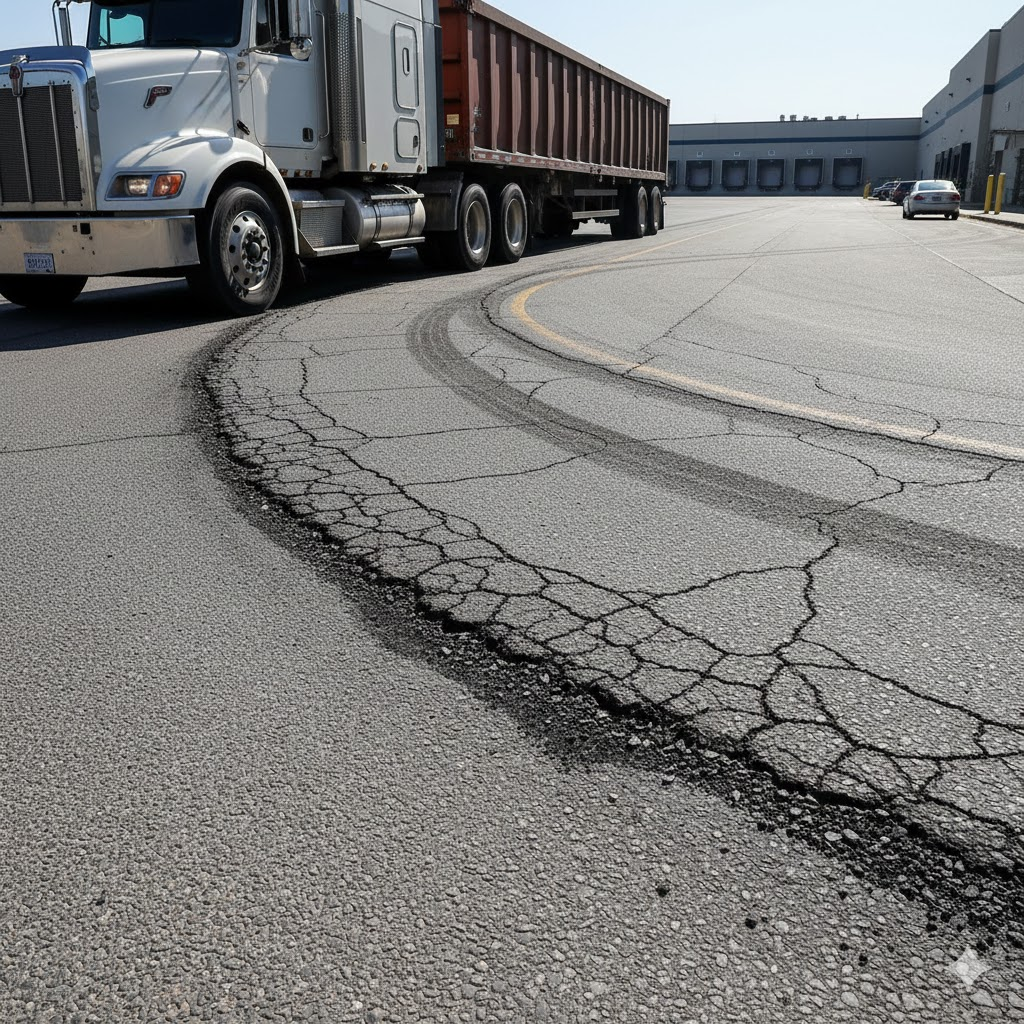
Aspects of pricing include traffic load and legal liability. Business floors should be able to support continuous traffic of cars yet be safe and easy to use. The inability to plan towards these requirements may make the cost of repairing greater and subject the property owners to legal liabilities.
Average Commercial Asphalt Paving Prices
Asphalt paving prices are usually computed on a per square foot basis, although the given price is largely determined by the project area and the conditions of the location. Commercial pricing is more fluctuating in nature because it is governed by structural and functional needs, even though general cost ranges do exist.
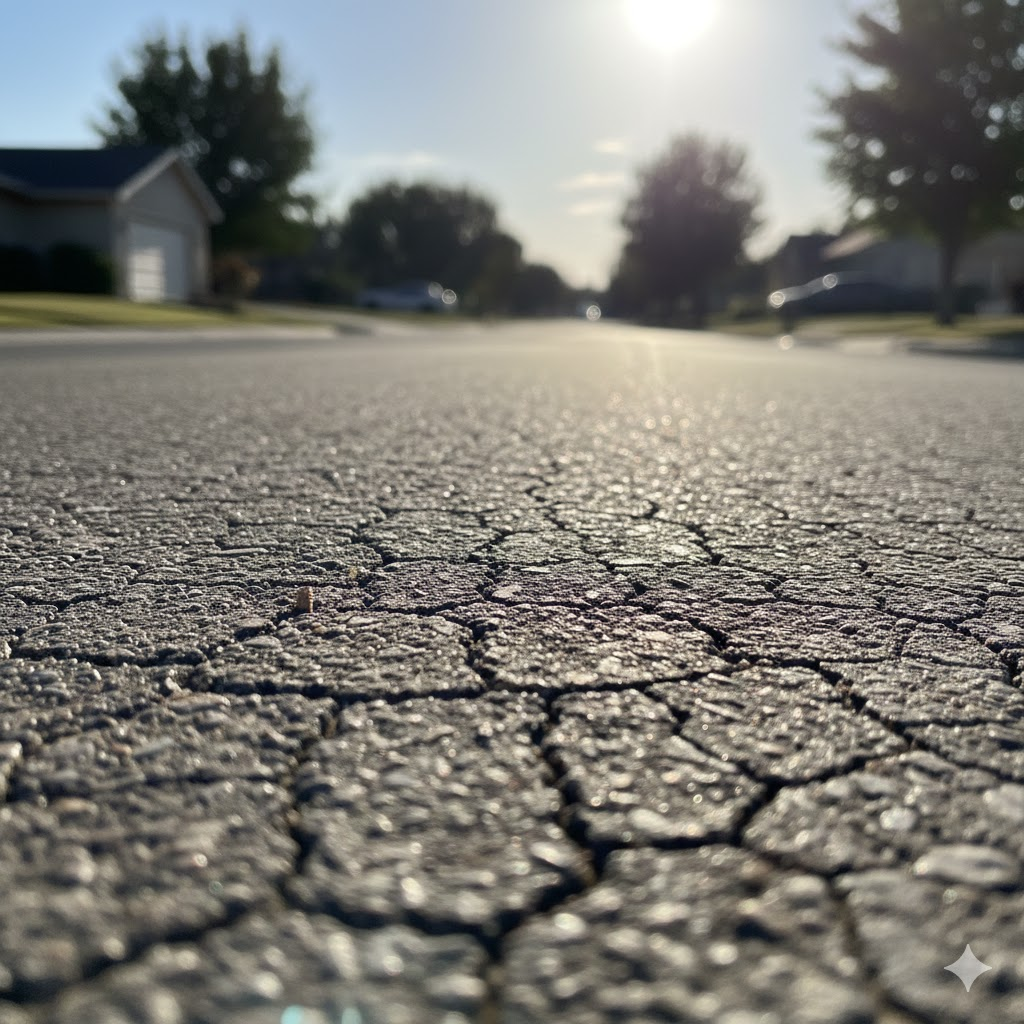
Big business projects are usually cheaper per square foot than smaller projects since equipment mobilization, labor, and material expenses are distributed across a larger territory. Nevertheless, the higher cost of the entire project is as a result of the higher surface area, thicker layers of asphalt, and other site work.
Factors Affecting the Cost of Commercial Asphalt Paving
Formula A: Various technical and operational variables impact the costs of commercial asphalt paving. These variables also assist a property owner and managers to budget in the right way without shortcuts that may result in premature failure of pavements.
Economy of Scale & Project Size
Commercial asphalt paving has a significant factor of price, which is the size of the project. The cost per square foot of larger parking lot and roadway projects is usually lower than that of small jobs. The reason is that the fixed costs, which consist of equipment transportation and crew arrangement, are distributed over a bigger surface area.
Pricing is also influenced by mobilization and efficiency of equipment. Heavy paving machinery takes a lot of time and space to set up, and the cost of transporting it is high, and therefore small commercial projects will not be cost beneficial at the unit level. The larger the project, the more economical and faster the production process is.
Understanding the factors that affect asphalt paving pricing can help you make informed decisions and avoid unexpected project costs.
Structural Design and Thickness of Asphalt
The thickness of the asphalt needed is directly proportional to the cost of commercial paving. Thin sections of the premium asphalt material are usually applied in light-duty areas like employee parking spaces, and the high-stress type of zones demand an enhanced structural design.
The heavy asphalt is required in:
-
The routes of delivery and loading points.
-
Access roads and emergency access roads.
-
Drive lanes with high traffic with vehicles moving continuously.
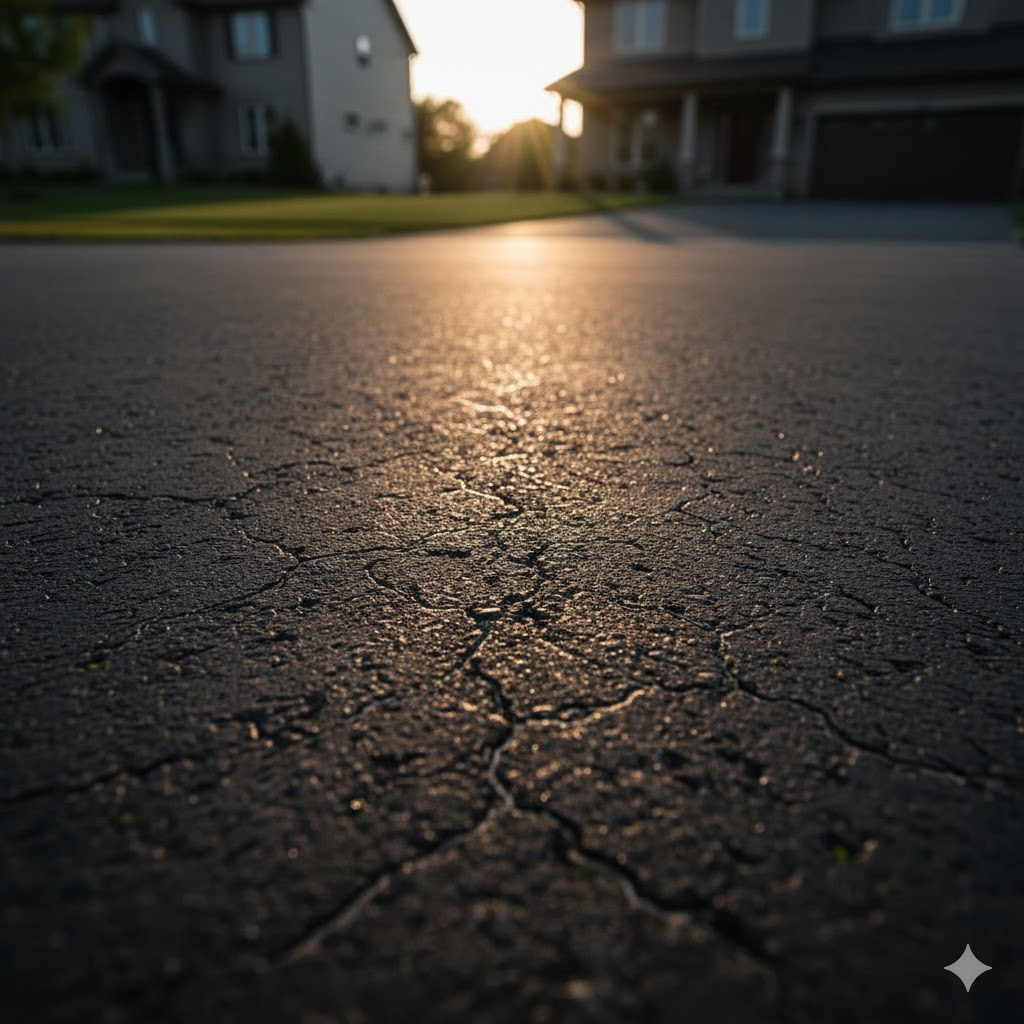
Heavy asphalt layers make the material and labor more expensive but are necessary to stop rutting and cracking and structural failure under recurrent heavy loads.
Preparation of Site and Base Condition
One of the cost drivers that is the most significant in commercial asphalt paving is site preparation. The long-term pavement performance is dependent on a stable, well-prepared base.
Costs may increase due to:
-
Removal of damaged asphalt.
-
Grading and excavation to obtain correct elevation.
-
Fixing drainage problems leading to water ponding.
Stabilization of the sub-base is particularly a concern to commercial sites where a poor or rocky base would soon affect new asphalt. The cost of investing in proper preparation lowers the cost of repair and resurfacing in the future.
Accessibility, Phasing, and Logistics
The issue of accessibility may increase the cost of commercial paving, especially in commercial areas that are busy or characterized by a large amount of traffic. The lack of access points, proximity to other businesses, and continuous operations have to be further planned and coordinated.
Sectional or phased paving is commonly employed in many commercial projects to ensure that some of the site remains operational whilst the project is being constructed. Although this reduces business disruption, it will expand labor time and logistical complexity.
They can also be asked to work either at night or during weekends to escape the busy times. These off-hour shifts are usually accompanied by high-end labor rates, and this should be included in the total budget.
Permits, Stripping, and Compliance
The commercial asphalt paving should be in compliance with the strict criteria on regulations and the safety level, which may increase the costs of the project. Obedience is not a choice, and it is important in safeguarding property owners against liability.
Examples of cost factors that are commonly associated with compliance are
-
Parking plans and approaches that comply with ADA.
-
Directional signs, fire lanes, and pavement markings.
-
Thickness and design standards of roadways of municipal or personal nature.
These factors are fundamental to safety, access, and legal matters and must never be considered as additional costs but should be part of the cost planning.
Budgeting accurately for a new pavement installation can help prevent unexpected expenses and keep your project on track. Our asphalt paving cost guide breaks down the key pricing factors homeowners and businesses should know.
Parking Lots vs. Roadways: How Costs Differ
The prices of commercial asphalt paving greatly differ according to the project type, i.e., a parking lot or a private roadway and an industrial traffic area. Although these surfaces might appear the same, their needs and structural performance in the long term are far different.
| Project Type | Cost Complexity | Key Cost Drivers |
|---|---|---|
| Parking Lots | Medium | Striping, drainage, curbing |
| Private Roads | High | Asphalt thickness, grading, drainage |
| Industrial Areas | Very High | Load stress, reinforced base construction |
Parking lots are developed mainly to accommodate vehicles that are immobile and lower speeding traffic. The efficiency of the layout, good drainage, curbing, and pavement markings tend to be the driving force behind costs, instead of overly thick structure.
Budgeting Commercial Asphalt Paving the Intelligent Way
The intelligent budgeting of commercial asphalt paving is not limited to the initial purchase price of the installation. Property managers concentrating on initial pricing tend to pay more in the end simply because of untimely repairs, surface breakage, or operational breakdowns.
Lifecycle cost planning assists in guaranteeing long-term performance. This involves the thickness of pavements, base strength, drainage, and maintenance that is to be done continuously, all of which will influence the duration of the surface under normal traffic.
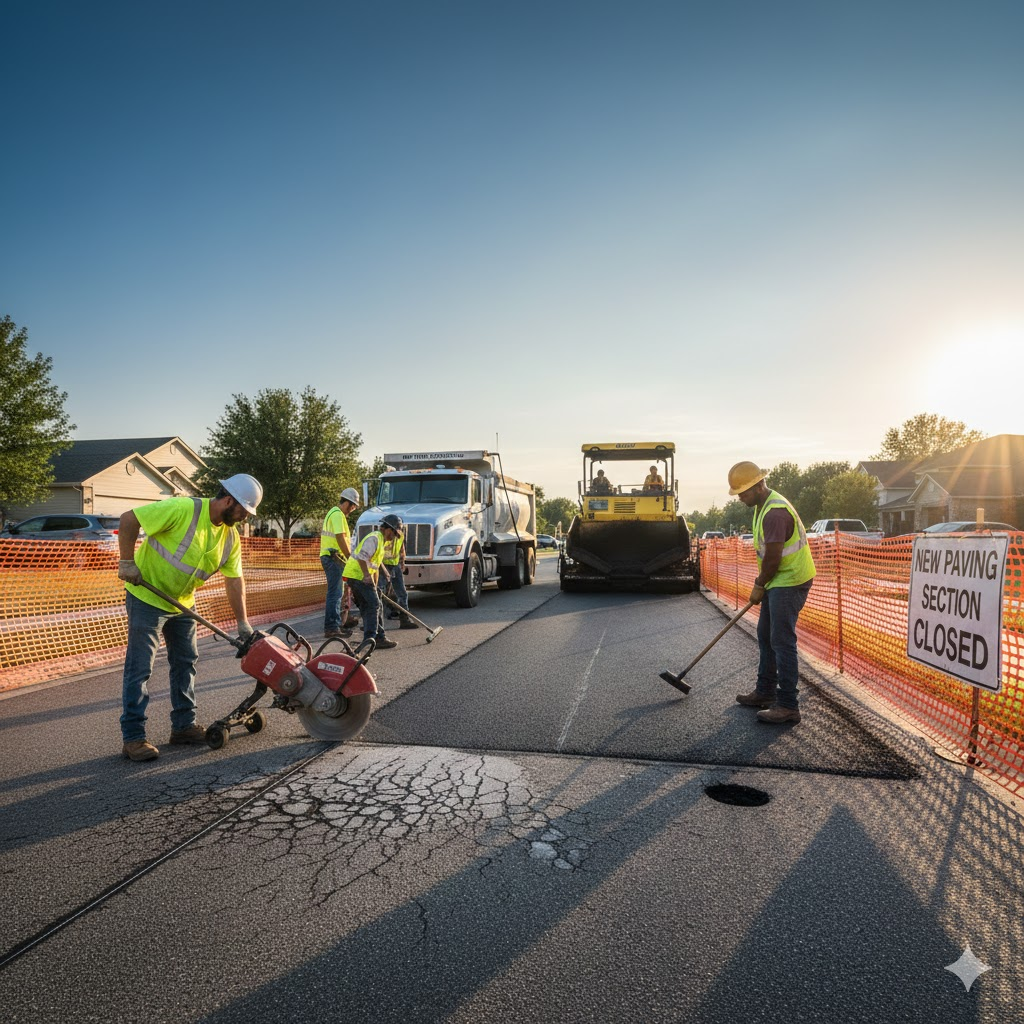
It is necessary to have a buffer on base problems. Unnoticed issues like the poor conditions of the soil, moisture damage, or broken sub-base layers are usual on commercial locations, and they may cause a lot of difference in the projects' costs when they are not expected.
Phased construction is good in large commercial projects. Part division of work will contribute to minimizing downtime, ensuring its continuity among tenants and customers, and preventing business disruption, despite the fact that a phased processing of work can slightly raise labor costs.
Selecting the Commercial Asphalt Contractor
One of the key decisions that it is possible to make in a commercial paving project is the choice of the right contractor. Experience, transparency, and technical knowledge have a direct influence on the accuracy of costs as well as long-term performance.
The qualified commercial asphalt contractor must show:
-
Established working experience on commercial and heavy-actual projects, not only residential paving.
-
Licensing and insurance on the owners of the property against liability.
-
In-depth scope of work, such as asphalt thickness, base preparation, and materials.
-
Open pricing structure that spells out clearly what is contained in the estimate.
Trustworthy contractors also make the property managers comprehend trade-offs between the expenses, durability, and schedule without forcing unnecessary upgrades or reducing necessary steps.
Conclusion
It is better to be aware of the factors that condition commercial asphalt paving prices to avoid budget overruns and sudden fixes. Once the property managers consider the scope of the project, the structure's necessity, and the long-term results, they can make a wise decision that can save their budget and their property.
Good commercial asphalt surfaces enhance safety, durability, and aesthetics and lower the long-term maintenance costs. The right planning and professional assessment will result in the pavement working as the customer expects it to in a real-life situation.
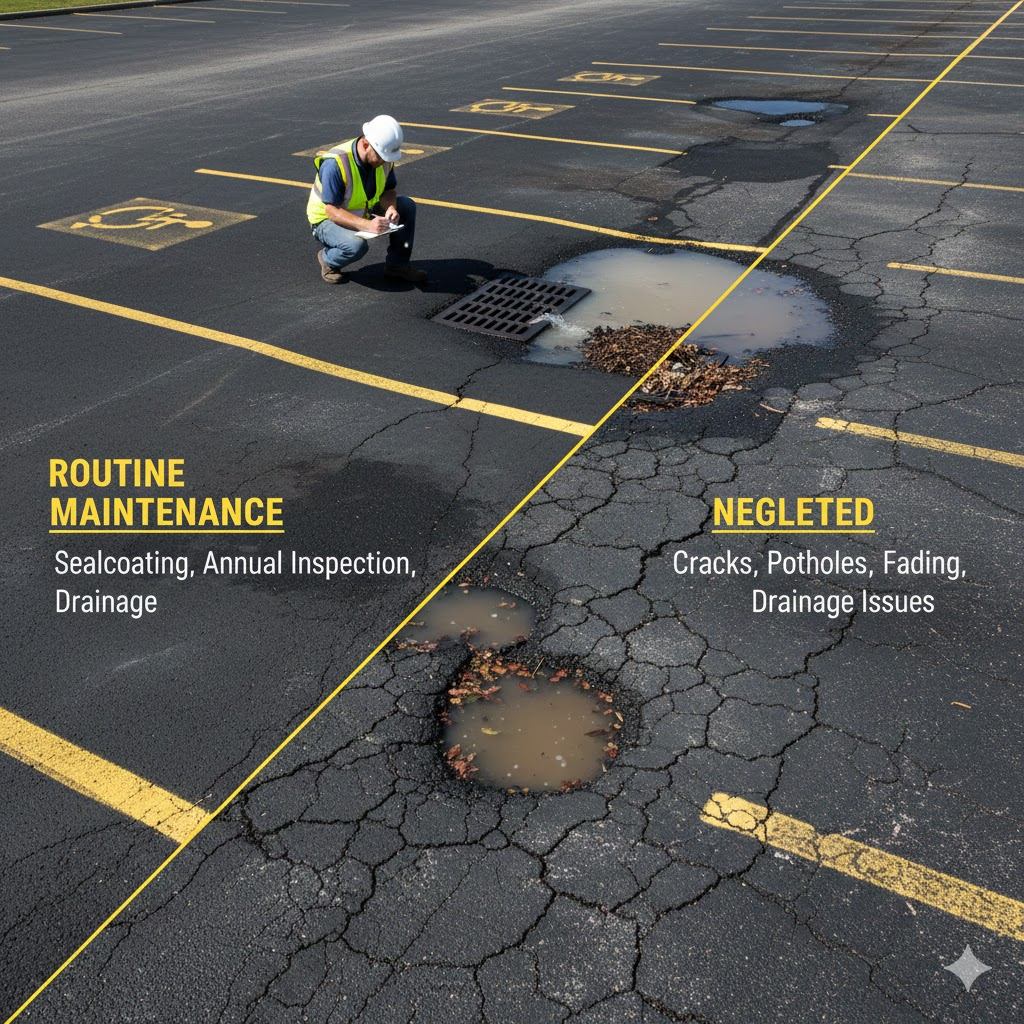
Get in touch with New Pointe Contracting now at 404-414-719 to receive a customized commercial asphalt paving quote specific to your property, receive the right cost information, anticipate challenges unique to the site, and develop a long-term, compliant paving project.
.webp "Asphalt Paving Price Per Yard How Project Size Affects Cost in North Georgia (2026)")