- January 06, 2026
Introduction
Application of a coating of protective liquid over asphalt pavement to protect the surface against damage through UV radiation, water, chemicals, oxidation, and normal road traffic wear is known as sealcoating.
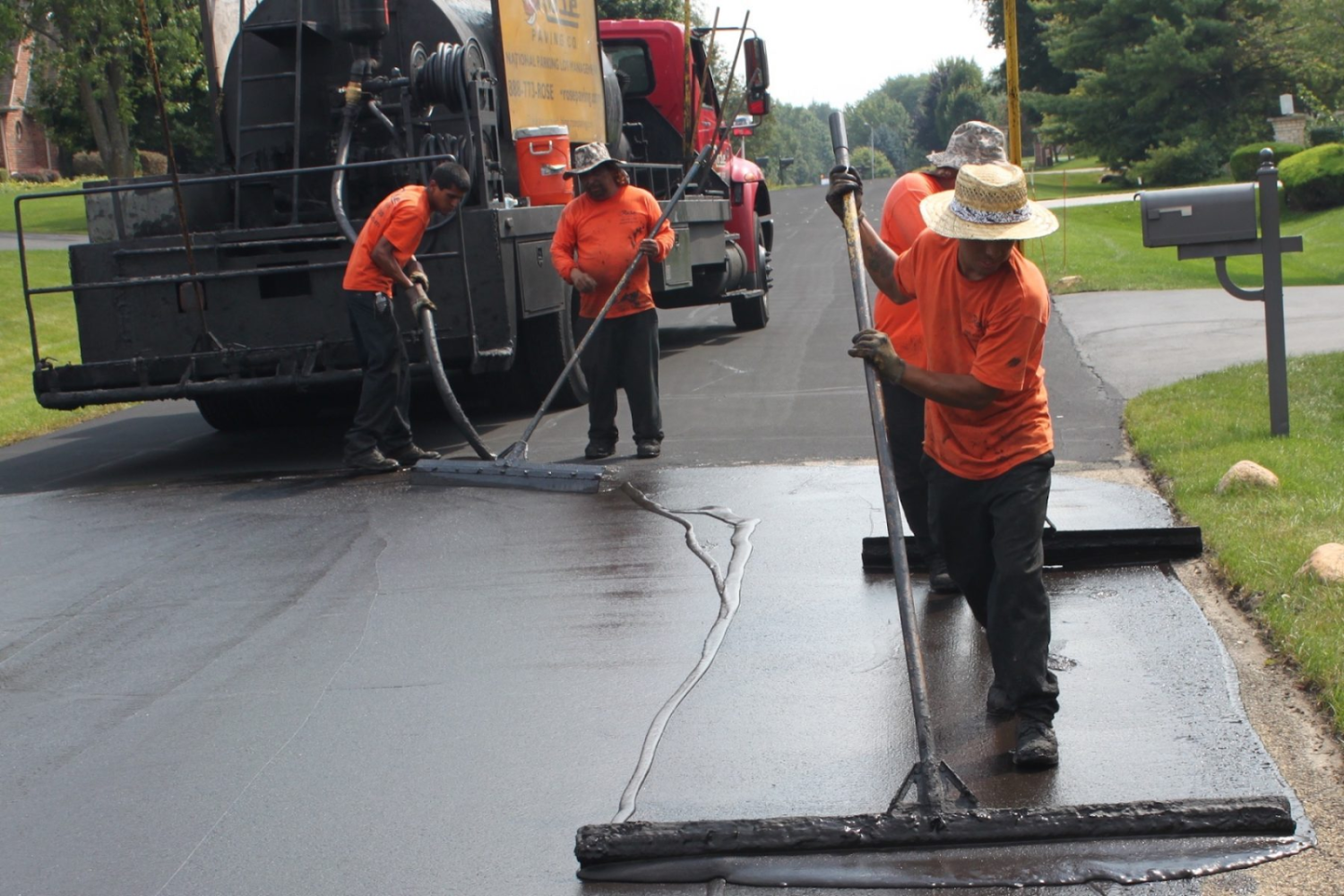
Sealcoating is among the most important preventive maintenance measures to keep asphalt pavement in good and durable condition. As time passes, the sun dries asphalt, precipitation makes the surface weaker, car fluids erode the material used to bind asphalt, and traffic erodes the topmost layer. Sealcoating produces a protective layer that slows the wear and tear, enhances appearance, saves money on future repairs, and increases the pavement life by a few years. To both residential and commercial building managers, maintaining asphalt through sealcoating is the most cost-effective method to do so.
Recommended Sealcoating Frequency for Residential Driveways
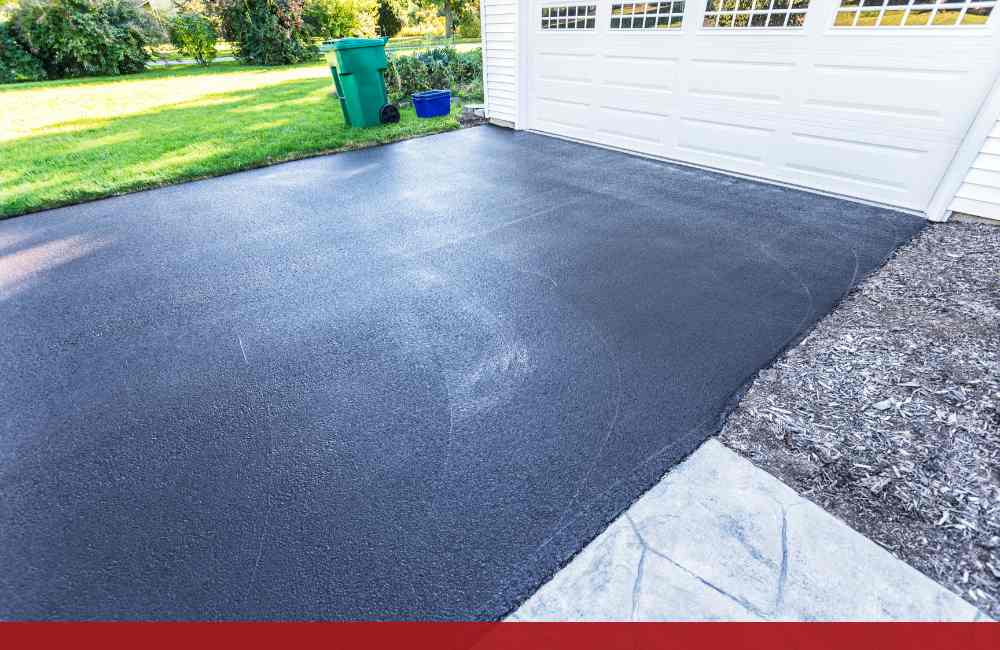
The residential driveways should be sealcoated after every 2-3 years depending on the climate and the quality of the initial pavements. In homes that have low traffic, the homes can extend to the three-year mark, although in the regions that have driveways exposed to the sun or severe winters, a seal is required every two years. It should not be sealed immediately after a new driveway has been laid but after a period of 6-12 months of laying the driveway to ensure proper drying and evaporation of the oil.
Recommended Sealcoating Frequency for Commercial Parking Lots
The frequency of parking lot sealcoating is often greater than 12 1/2 years since they have significantly high vehicle loads and high turning, braking, and chemical exposures. Traffic loads greatly impact asphalt pavement. Commercial property with heavy traffic, like shopping centers, supermarkets, schools, warehouses, and even medical buildings, usually needs the annual application of sealcoating to ensure consistent protection and avoid premature cracking or raveling. Even semi-truck-access lots or loading dock lots could have an 18-month schedule.
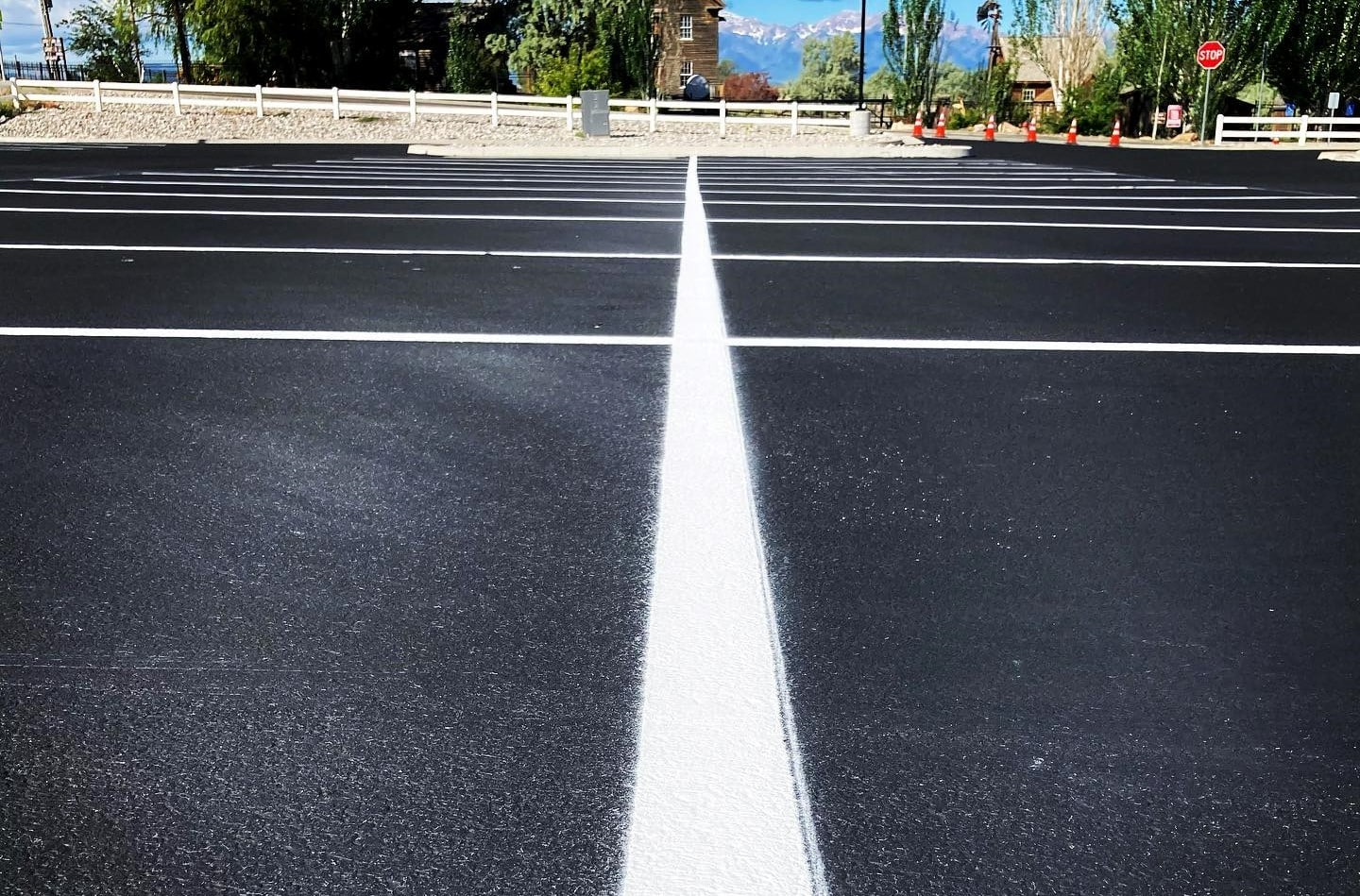
Factors Influencing Sealcoating Frequency
The frequency of sealcoating is different since each pavement surface has different stress factors. The greatest influences are
-
Traffic Level: Increased vehicles, particularly the heavy ones, erode sealer more rapidly.
-
Climate changes: heavy rain, snow, and extreme heat are all causes of accelerated deterioration.
-
Asphalt Surface: Faded or older asphalt or asphalt with light cracks must be sealed earlier.
-
Sealant Quality: Commercial-grade sealers with high solids last longer compared to the watered-down and low-quality products.
-
Application Method: 2 coats of the sand additive are better when used properly than quick applications made in one coating.
These variables are useful in establishing the best maintenance plan to be used on each property.
For practical maintenance tips, explore our complete long-term care guide for asphalt parking lots to keep your pavement in excellent condition year-round.
The Difference Between the Sealcoating of Driveways and Parking Lots
Although the purpose of sealcoating is the same, i.e., to protect against repelling, the needs of the maintenance of residential driveways and commercial parking lots differ significantly as a result of traffic, area, and the requirements of the usage.
| Factor | Residential Driveway | Commercial Parking Lot |
|---|---|---|
| Traffic Load | Light traffic, mainly personal vehicles. | Heavy and constant traffic, including delivery trucks and commercial vehicles. |
| Oil & Chemical Exposure | Minimal exposure. | High exposure to oil drips, fuel spills, and chemicals. |
| Sealant Type Used | Standard residential-grade sealant. | High-performance commercial-grade sealant for durability. |
| Application Technique | Typically applied using a brush or a squeegee. | Large areas require spray application for speed and consistency. |
| Project Cost | Lower overall cost due to smaller size and lighter demands. | Higher cost because of bigger square footage and tougher performance requirements. |
| Maintenance Frequency | Every 2–3 years. | Every 1–2 years (sometimes annually for high-traffic lots). |
Indications That It Is Time to Sealcoat
Cues on your asphalt will tell you that your asphalt requires protection. The most frequently used warning signs are
-
Black to gray in faded color.
-
Cracks started to develop at the hairline.
-
Small raveling or free surface gravel.
-
The fact that water gathers during rainfall.
-
Stains from oil or chemicals that are not lost.
-
Flat, dry, or hard surface texture.
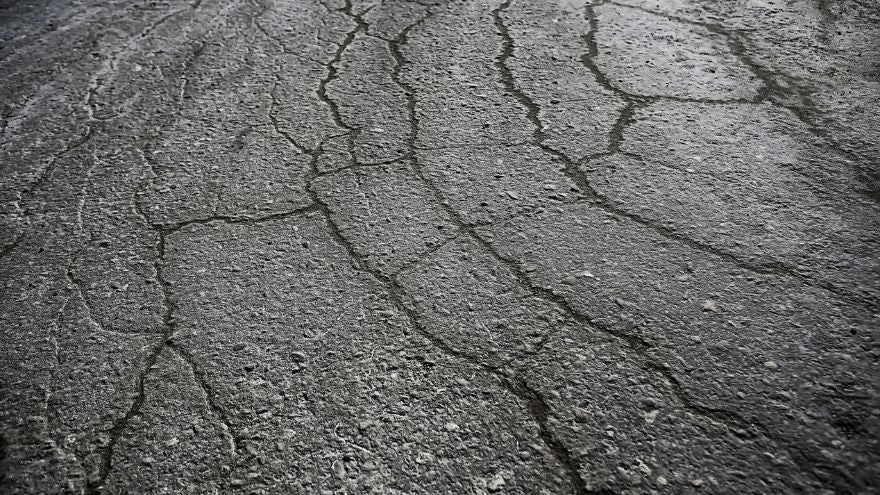
The Effects of Weather on the Lifespan of Sealcoating
The length of time of sealcoat is directly influenced by weather conditions:
-
Cold weather: Cracks are caused by frequent freeze-thaw.
-
Wet locations: Excess moisture may cause unprotected asphalt binders to be weakened.
-
Hot areas: UV rays dry up asphalt and hasten its degradation and brittle nature.
These surrounding factors dictate the need for resurfacing at a closer period of 12, 18, or 24 months.
The Benefits of a Regular Sealcoating Schedule
Regular sealcoating offers savings and protection over a long period of time. Major benefits include:
-
Plastics are off-oxidation and brittle.
-
Barricades water penetration and freeze-thaw cracking.
-
Protects surface against penetration of oils, gases, and chemicals.
-
Improves the looks and visual attractiveness.
-
Afterlife of pavements by 5-10 years.
-
Lessens the cost of repairing, such as patching or resurfacing.
-
The minimal cost of regular sealcoating will be justified in the long run.
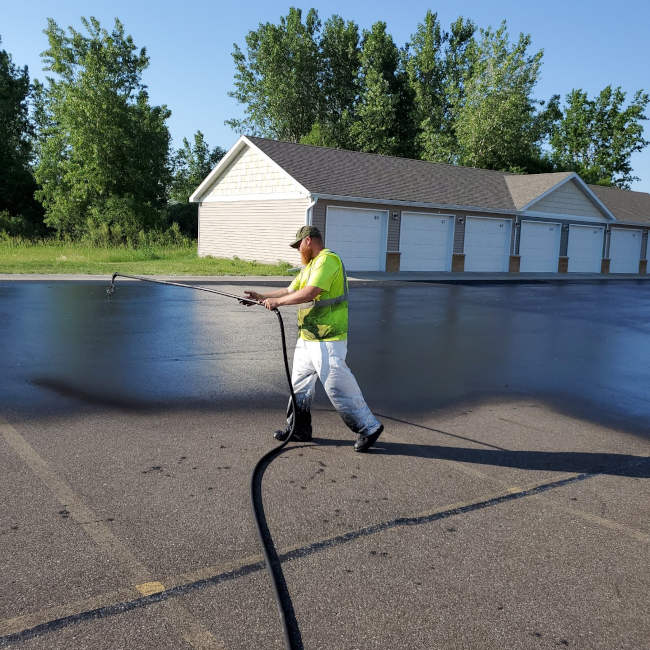
When to prefer resurfacing over sealcoating
Sealcoating is not a remedy to big structural issues but rather a preventive measure. The cases when it is not possible to seal any more are
-
Multiple deep cracks
-
Cracking spiderweb or alligator.
-
Large potholes
-
Areas of base failure or sinking.
-
Severe oxidation
What Makes Sealcoating Long-Lasting?
The sealcoat life may be prolonged by observing the following professional recommendations:
-
Sealcoat during hot and dry seasons (over 50°F).
-
Do not drive on the surface within the next 24-48 hours.
-
Fill cracks before sealing.
-
Maintain the pavements free of oil and garbage.
-
Arrange an inspection on an annual basis.
-
Apply good-quality sealants of proper thickness.
Conclusion:
One of the wisest investments for your parking lot or driveway is sealcoating at the right time. The right time to lay down the asphalt depends on the traffic, weather, state of the pavement, and quality of the sealer used. However, with the correct choice of timing, your asphalt will be safeguarded, attractive, and well-supported in years to come. By maintaining the properties regularly, the property owners save on repair expenses, avoid early degradation, and greatly increase the life of their pavement.
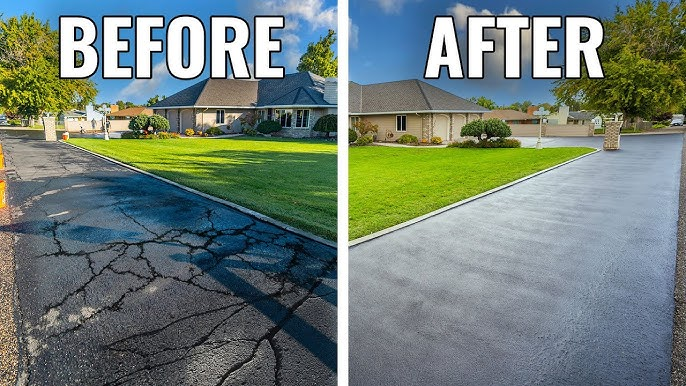
Wait until you can no longer hold on to the cracks or fading. Sealcoat your pavements with quality sealcoating by the professionals of New Pointe Contracting. Call us now at 404-414-7192 for a free estimate. We are available to inspect your asphalt today and offer you the best plan of maintenance for your pavement.
.webp)