- June 08, 2026
The amount of damage, the access to the site, the availability of materials, and labor rates are all factors that affect the cost that a repair would end up being. A minor crack in the surface and a broken pavement base demand highly dissimilar solutions, schedules, and funds.
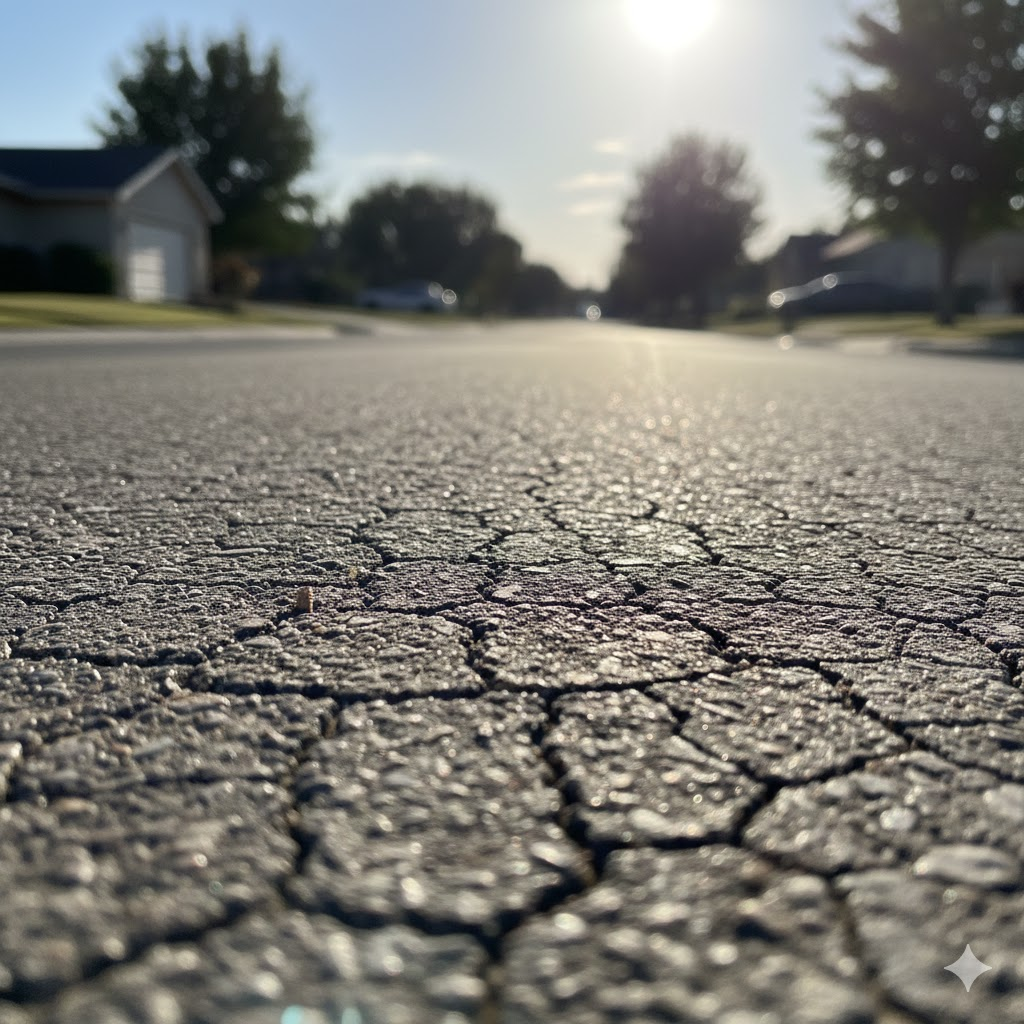
Minor surface repairs are applied to cracks or small potholes that are visible and typically not very expensive when repaired in time. Structural pavement failures, in turn, include base damage, drainage problems, or large-scale cracking and demand more serious and expensive repairs. These conditions tend to arise when the problems on the surfaces have been left unattended to.
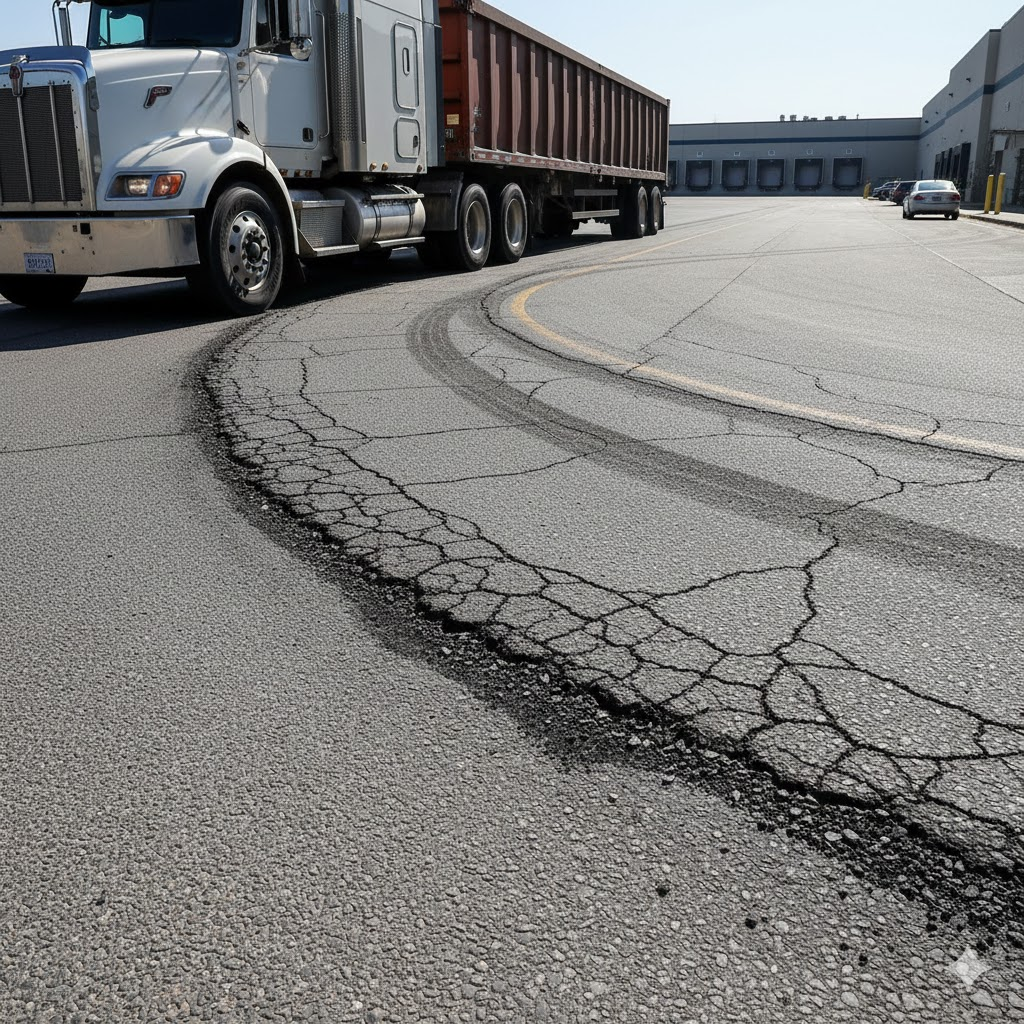
Delay in asphalt repair nearly always results in increasing the long-term costs of pavements. Intrusion of water, freezing and thaw cycles, and traffic stress hasten the deterioration of the pavement, making cheap maintenance and repair time-consuming resurfacing or complete replacement. Knowledge about repair pricing enables the property owners to make proactive, cost-effective decisions.
Average Asphalt Repairing Costs
The range of costs of repairing asphalt residential and light commercial properties in North Georgia has a wide scope with respect to the nature and size of damage. Minor repairs can be cheap, whereas more significant structural repairs can cost more because of the cost of labor, materials, and equipment.
Repair price is also widely computed on a square foot basis, although most of the contractors use minimum service pricing to cover mobilization and installation. This implies that smaller repairs can be more expensive per square foot to repair than larger repair areas.
Common prices of asphalt repairs (2026):
-
Minor repairs: $1–$3 per sq ft
-
Moderate repairs: $3–$6 per sq ft
-
Extensive repairs: $6–$10+ per sq ft
Asphalt Repair Price Per sq ft
Asphalt paving repair cost per square foot makes homeowners and property managers understand the options of repairing and prevents surprises on the expenses. The prices will depend on the repair procedure, damage level, and durability of the solution.
Costs of Crack Filling
Two of the most popular types of asphalt maintenance are crack filling and crack sealing, which differ in regard to durability and costs. The cost of crack filling is normally based on a linear foot and is meant to be a short-term solution to non-moving cracks that are small in size.
On the other hand, crack sealing involves the use of rubberized materials that swell and contract with changes of temperature. The approach is more expensive in the short run but has a much greater lifespan, which is why it is more appropriate to the seasonal climate and high precipitation of North Georgia.
Cost of Pothole Repair and Asphalt Patching
Repairs of potholes are normally calculated per square foot or per patch based on their depth and the type of material. Cold patch repairs are cheaper and can be fit within a short period of time, although they are temporary and only fit well in situations where there is low traffic or short-time repair.
Hot patch repair is expensive, though it offers a more robust and permanent solution. Such repairs are more adhesive to the existing asphalt, and also they are more withstanding of both traffic and weather.
Full-Depth Asphalt Repairs and Saw-Cut
The most durable types of asphalt repair include saw-cut and full-depth repair that is expensive because it involves excavation and reconstruction of the base. Prices are usually more expensive per square foot since the damaged area is completely removed and is replaced by constructing the whole building again starting at the base.
Such repairs are more long-lasting due to the fact that they deal with the surface damage as well as the structural damage. They particularly apply to alligator cracking, load-bearing areas, and areas subjected to heavy vehicular traffic.
Drive lanes, parking lot entrances, and commercial loading areas are best repaired with full-depth repairs because strength and longevity are very important.
Asphalt Resurfacing vs. Repair
The decision to use or not to use asphalt resurfacing as opposed to continuous repairs hinges on the short-term cost and the long-term value. When comparing, as illustrated below, the situations when lower initial repair will be justified and when resurfacing will be the more reasonable financial investment.
| Comparison Factor | Asphalt Repairs | Asphalt Resurfacing |
|---|---|---|
| Average Cost per Sq Ft | $1–$4 | $3–$7 |
| Best For | Isolated cracks, small potholes | Widespread surface damage |
| Surface Damage Threshold | Under 25% of pavement area | 25–50% surface deterioration |
| Base Condition Required | Minor or localized issues | Structurally sound base |
| Lifespan Extension | 1–3 years | 8–15 years |
| Visual Appearance | Patchy, uneven over time | Smooth, uniform finish |
| Long-Term Cost Efficiency | Low if repairs repeat | High when timed correctly |
| Risk of Recurring Damage | High | Low |
| Project Timeline | Short | Moderate |
When Asphalt Repair Is No Longer Enough
It will reach a point when asphalt repairs will cease to be cost-efficient and be replaced with a wiser investment. This normally happens when the damage goes deeper than the surface and penetrates into the base of the pavement.
Several indicators that repairs are not adequate anymore are extensive alligator cracking, frequent reappearing potholes, and pavements that are spongy or uneasy under weight. These problems portray structural foundation collapse, which cannot be addressed with surface repair.
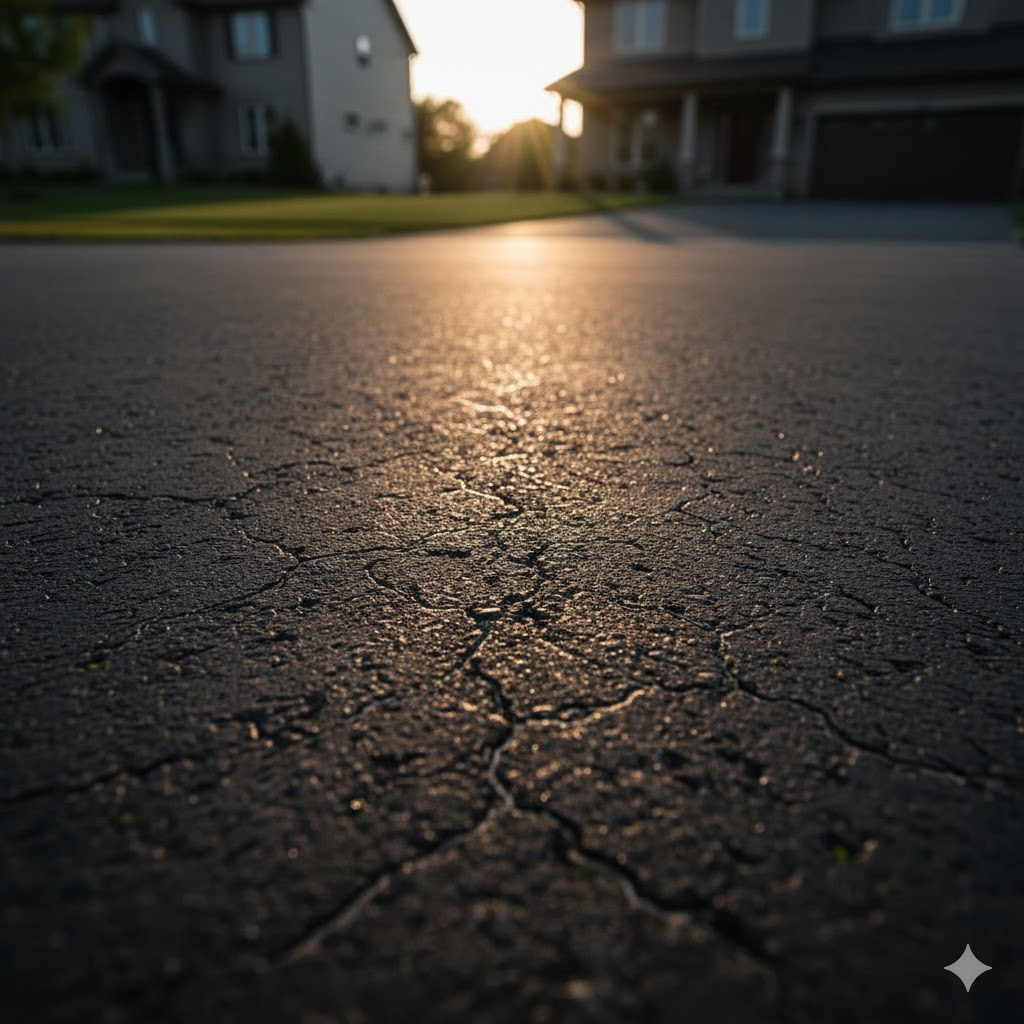
The damage related to drainage is prevalent in North Georgia, which is prone to heavy rains and clay soils. Drainage causes the water to penetrate under the asphalt, making the base weak, which speeds up the pavement deterioration.
What Factors Affect Asphalt Repair Costs the Most?
There are a number of key factors that define the extent to which an asphalt repair will cost. These variables are important to owners of properties to estimate quotes and select the necessary repair plan.
Extent, Deepness, and Extent of Damage
The damages that are surface deep, like small cracks or shallow potholes, are quite cheap to fix. The structural damages extending to the base layer would involve the process of digging the area, extra materials, and labor; hence, it becomes more expensive per square foot.
The deeper repair is more costly than the other ones since it requires removal, base construction, and placing asphalt, which is thicker. The bigger and greater the damaged space, the more the total repair investment.
Age and Current Condition of Pavement
The ancient asphalt driveways are usually more expensive to mend because of the wear and tear, oxidation, and loss of strength. Newer pavement that has isolated damages can be easily and cheaply restored.
Regulatory sealing and crack repair will result in the reduction of repairs in the long run. The bad maintenance history tends to result in more comprehensive and expensive repairs.
Availability and Location Environment
The cost of repair is higher when there is a restriction due to tight spaces, slopes, or other surrounding buildings. These circumstances slow down the work of equipment and demand an increase in manpower.
Commercial properties can be more convenient in terms of equipment accessibility but can have larger repairs and more rigid timelines. The smaller residential repairs can also be more expensive per square foot because of the access factor.
Local Labor, Materials & Seasonality
In North Georgia, the cost of asphalt repair is directly influenced by labor supply and demand in the asphalt repair contracts. The seasons are normally peak periods of paving and therefore are more expensive because of demand.
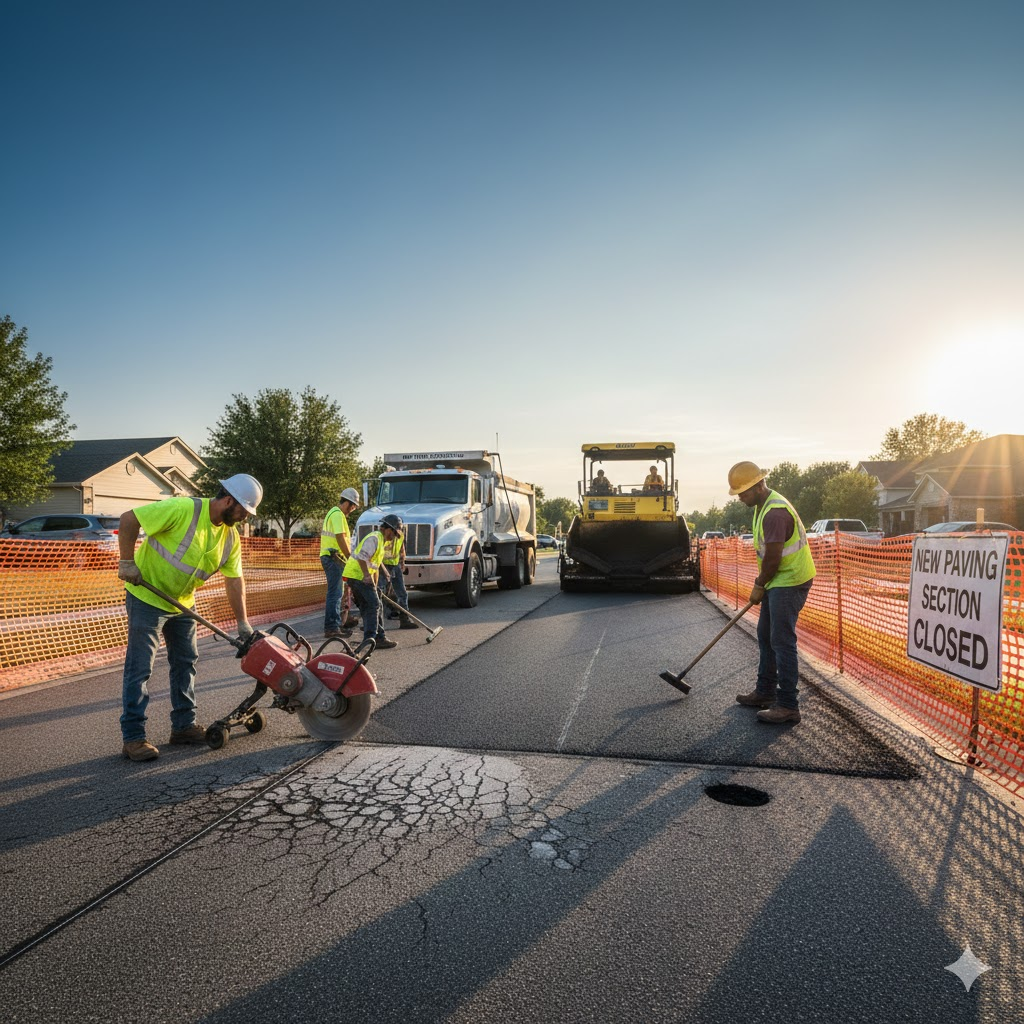
The distance to the asphalt plants has an influence on the prices of the materials; this is more pronounced when the fuel prices increase. It is common to schedule repairs during shoulder seasons, and this can affect the competitive price and availability of contractors.
Cost of Residential and Commercial Asphalt Repair
The minimum cost per visit of commercial asphalt repair may be high, yet the price per square foot tends to be less than a residential one. This is attributed to the fact that commercial projects have more surface area and heavy machines, as well as efficient use of materials.
In residential driveways, repairs are smaller and more detailed, and this adds more time on labor per square foot. Business locations, however, enjoy economies of scale, though cumulative invoices are increased.
Repair prices in commercial are affected by:
-
Increasing heavier traffic in the parking lots, drive lanes, and loading zones.
-
Access paths, slopes, and ramps that comply with ADA.
-
Removal and re-application of line striping.
-
Compliance requirements, drainage flow, and stormwater.
Before starting any paving project, it’s important to understand the factors that influence pricing, from material costs to site preparation requirements. Learn more in our guide to average asphalt paving costs and what affects the final price.
Repair vs Overlay vs Full Replacement
The availability of pavement, the extent of the damage, and the long-term objectives
| Option | Typical Cost Range (Per Sq Ft) | Expected Lifespan | Long-Term ROI |
|---|---|---|---|
| Repairs | $2 – $6 | 1–3 years | Low if repeated |
| Overlay (Resurfacing) | $3 – $7 | 8–15 years | High when timed right |
| Full Replacement | $7 – $15+ | 20–30 years | Best for failed bases |
determine the appropriate solution to be selected. The cost of repairs is the cheapest in the short term; however, the overlays and replacement provide high ROI in most cases when the damage is extensive.
How to Get the Correct Asphalt Repair Quotes.
Proper quotes begin with proper project details. Giving the appropriate information assists contractors in making the appropriate price on repairs and avoids unexpected additional costs.
Homeowners should provide:
-
Estimated area or area of damage in square feet.
-
Damage (cracks, potholes, sinking, drainage problems)
-
Age and history of repair of pavement.
-
Restrictions on or safety of accessibility.
A scope of work should be written out in a clear manner and should always include:
-
Patching, saw-cutting, sealing, resurfacing Repair procedure (patching, saw-cut, sealing, resurfacing).
-
Thickness and base treatment of asphalt.
-
Guarantee or projected longevity.
Red flags of low estimates are:
-
No thickness/material specifications.
-
Vague repair descriptions
-
Absence of cleanup or disposal information.
Minimum service charges are widespread and include mobilization, equipment, and crew time, particularly when it comes to small residential repairs.
Conclusion
One of the best ways of safeguarding your investment in pavement is by ensuring asphalt damage is addressed at an early stage. Quick repairs are much cheaper than complete replacement and may eliminate safety hazards, water run-offs, and premature decay, particularly in the climate of North Georgia.
Maintenance delays can appear cost-efficient in the short run, but there is almost always a higher cost associated with making the repairs late. An expert analysis makes sure that you settle on the most cost-effective solution in due time.
Visit Contact New pointe contracting or call at 404-414-7192 to request a repair estimate, schedule an asphalt inspection, or speak directly with a paving expert who understands North Georgia conditions.
.webp "Asphalt Paving Price Per Yard How Project Size Affects Cost in North Georgia (2026)")